Quality care comes first at Rula
We regularly review providers to ensure quality
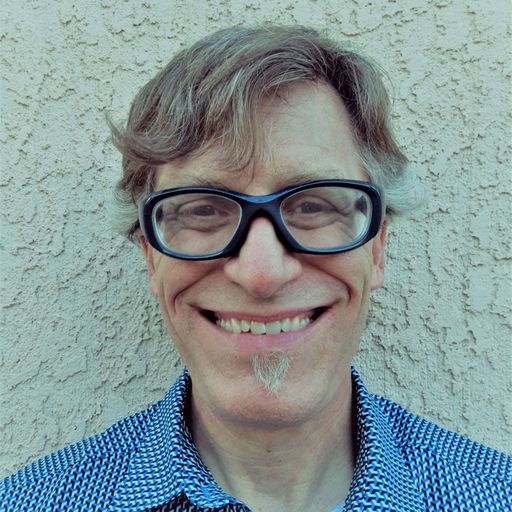
Eric Shiveley
Patients consistently give high satisfaction ratings
Licensed Professional Counselors (LPCs), like Eric Shiveley, are mental health professionals trained to diagnose and treat mental health issues and substance misuse with psychotherapy and counseling.
Eric has a Master of Arts in Counseling, Clinical Mental Health from Adams State College.
For many of us, it's difficult to ask for help, and sometimes it feels like no one around us understands or has been to a really dark or frightening place.
Available virtually
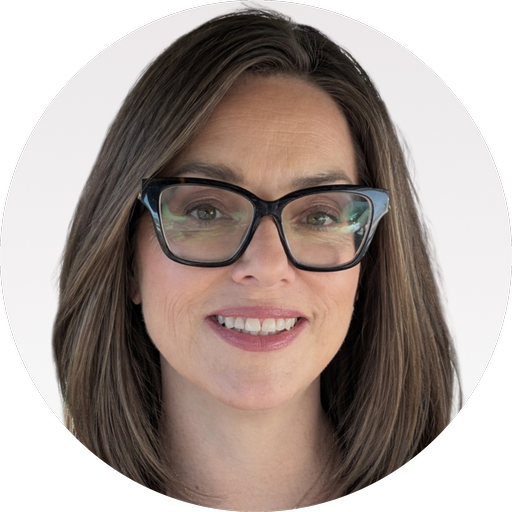
Courtney Bruno
Licensed Professional Counselors (LPCs), like Courtney Bruno, are mental health professionals trained to diagnose and treat mental health issues and substance misuse with psychotherapy and counseling.
Courtney has a Master in Counseling (MC) from University of Phoenix.
I am licensed in Arizona as a Professional Counselor. I view therapy as a safe place everyone needs at one time or another to check in and get validation, tools, and skills needed to be the best version of themselves.
Available virtually
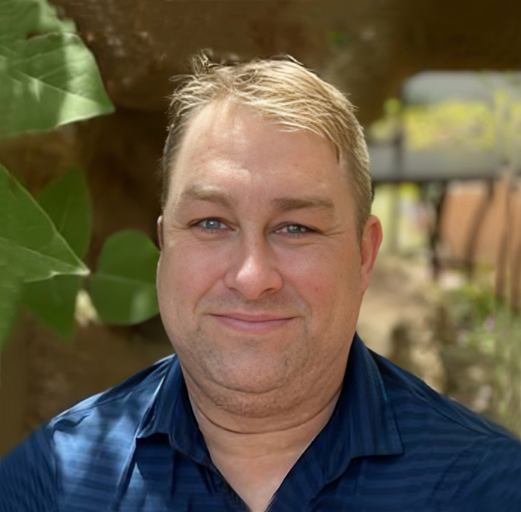
Scott Crusey
Licensed Marriage and Family Therapists (LMFTs), like Scott Crusey, are mental health professionals trained in family systems who can diagnose and treat mental health issues and substance misuse with psychotherapy and counseling.
Scott has a Master of Arts (MA) in Counseling Psychology with a specialization in Marriage and Family Therapy from National University.
I am a Licensed Marriage and Family Therapist. I believe healing begins with connection and understanding.
Available virtually
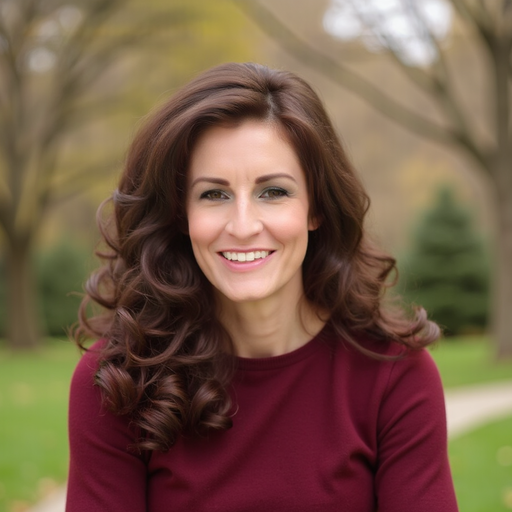
Kristien Hollingsworth
Many new patients continue care with this provider
Licensed Clinical Social Workers (LCSWs), like Kristien Hollingsworth, are social workers trained to diagnose and treat mental health issues and substance misuse with psychotherapy and counseling.
Kristien has a Master of Social Work (MSW) from University of Nevada, Las Vegas.
I understand seeking a therapist can feel anxiety-provoking. In my sessions, we talk about real issues impairing your life and work together to bring resolution, hope, and true healing. The relationship with your therapist matters more than the method. If this resonates with you, we can set up a consultation to see if I'm the right fit.
Available virtually
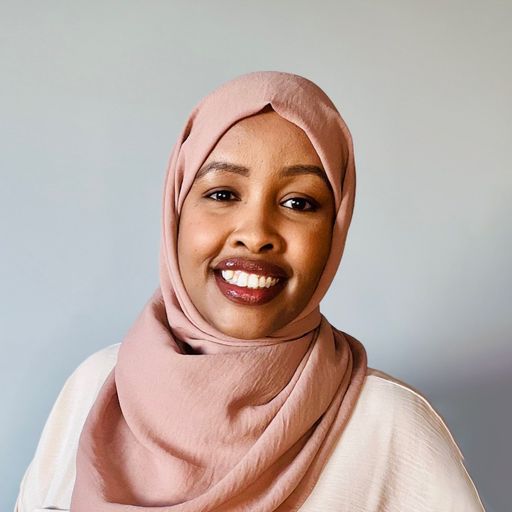
Asha Islaw
Licensed Clinical Social Workers (LCSWs), like Asha Islaw, are social workers trained to diagnose and treat mental health issues and substance misuse with psychotherapy and counseling.
Asha has a Master of Social Work from University of Minnesota Medical School, Twin Cities.
Starting counseling or continuing counseling takes courage, especially when life feels heavy or confusing. My approach is collaborative and supportive, focused on helping you feel understood, develop practical tools, and reconnect with yourself in a way that feels manageable and meaningful.
Available virtually
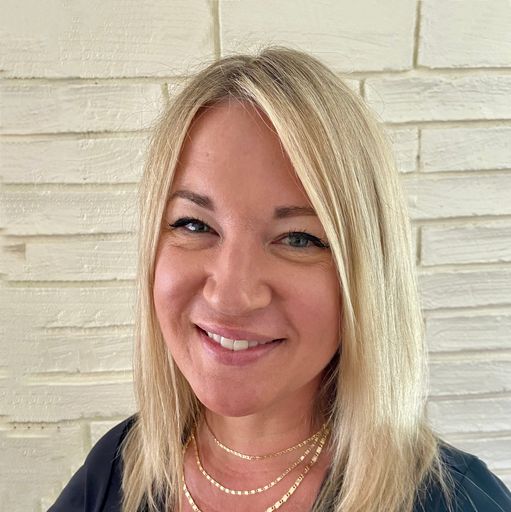
Vanessa Farish
Many new patients continue care with this provider
Licensed Professional Counselors (LPCs), like Vanessa Farish, are mental health professionals trained to diagnose and treat mental health issues and substance misuse with psychotherapy and counseling.
Vanessa has a Master's in Counseling (MC) from Concordia University.
I am committed to helping individuals, couples, and families. I approach therapy first and foremost as a relationship between counselor and client, wherein we take a journey together to discover the path to healing and greater wholeness that will be unique for each person.
Available virtually
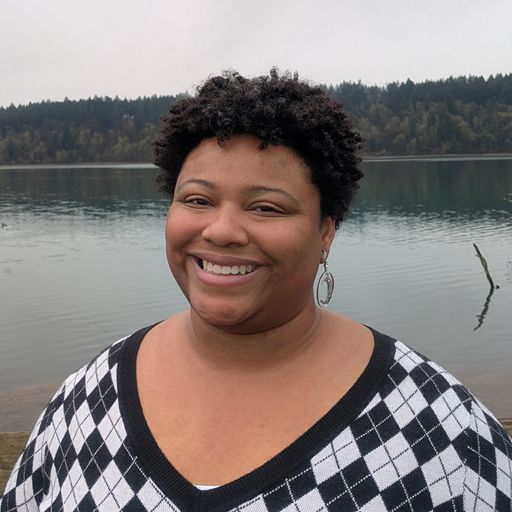
Rehema Boyes
Many new patients continue care with this provider
Licensed Professional Counselors (LPCs), like Rehema Boyes, are mental health professionals trained to diagnose and treat mental health issues and substance misuse with psychotherapy and counseling.
Rehema has a Master in Counseling (MC) from Argosy University.
You are worthy of love and care just as you are. The journey for growth does not mean that you are not where you need to be. If you believe that I could potentially be helpful to you on your journey, then I would love the opportunity.
Available virtually
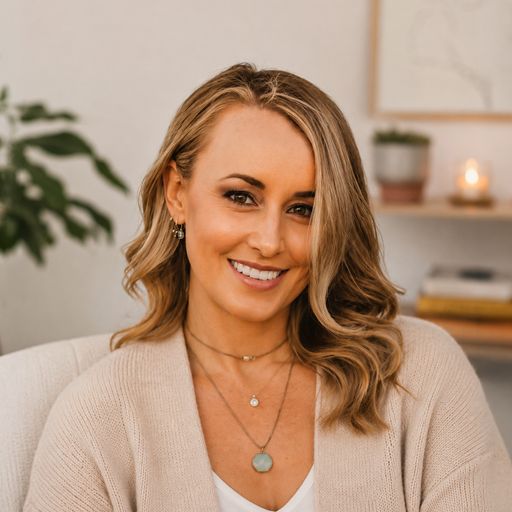
Brianna Ison
Many new patients continue care with this provider
Licensed Clinical Social Workers (LCSWs), like Brianna Ison, are social workers trained to diagnose and treat mental health issues and substance misuse with psychotherapy and counseling.
Brianna has a Master of Social Work (MSW) from Arizona State University.
Hello! I am a Licensed Clinical Social Worker (LCSW) with a strong background in mental health and overall well-being. I have dedicated my practice to meeting the client where they are at and providing compassionate support and guidance to help each client overcome challenges and reach their goals.
Available virtually
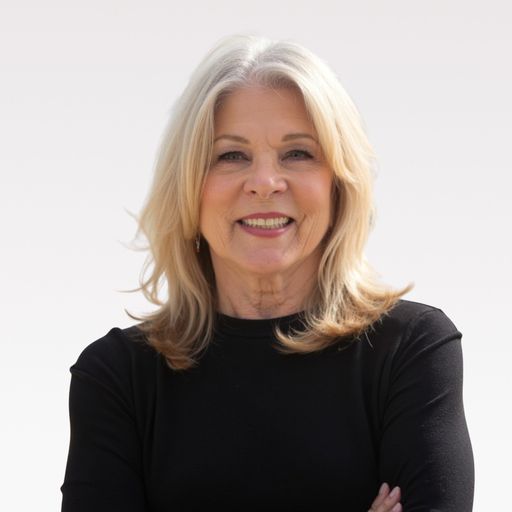
Sandra West
Licensed Professional Counselors (LPCs), like Sandra West, are mental health professionals trained to diagnose and treat mental health issues and substance misuse with psychotherapy and counseling.
Sandra has a Master of Science (MS) Licensed Professional Counselor from Grand Canyon University.
I extend my expertise to embrace holistic life coaching, guiding individuals toward healthier lifestyle choices and improved well-being.
Available virtually
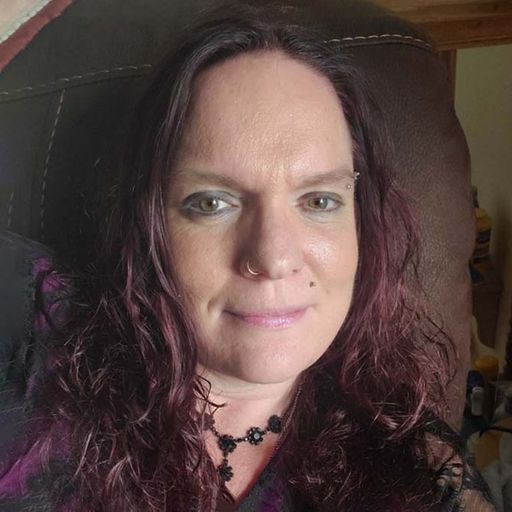
Lorraine Hellman
Licensed Professional Counselors (LPCs), like Lorraine Hellman, are mental health professionals trained to diagnose and treat mental health issues and substance misuse with psychotherapy and counseling.
Lorraine has a Master of Science (MS) in Counseling from University of Great Falls.
I go by Rainey. My therapeutic approach is integrated and tailored to the best needs of the client. I offer Cognitive Behavior Therapy, Dialectical Behavior Therapy, Person-Centered, Solution-Focused, EMDR, and Psychoeducation.
Available virtually
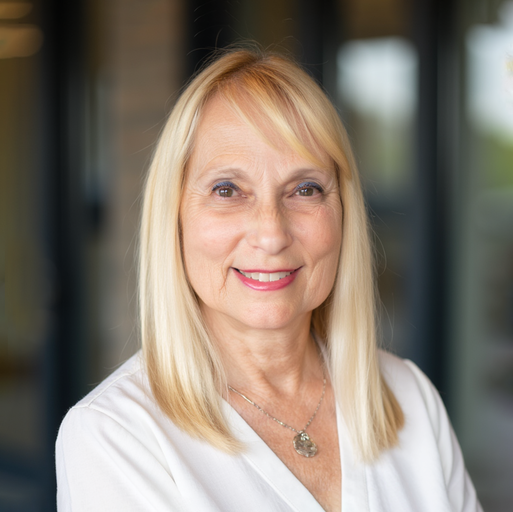
Karen Bischoff
Licensed Professional Counselors (LPCs), like Karen Bischoff, are mental health professionals trained to diagnose and treat mental health issues and substance misuse with psychotherapy and counseling.
Karen has a Master's in Counseling (MC) from Arizona State University.
I work as a Licensed Professional Counselor (LPC) based in Arizona. I enjoy working with clients statewide via Telehealth. Among others, my specialties include stress, anxiety, bereavement, trauma, anger, and relationship issues. I enjoy helping my clients create a life of quality and an overall increased sense of well-being.
Available virtually
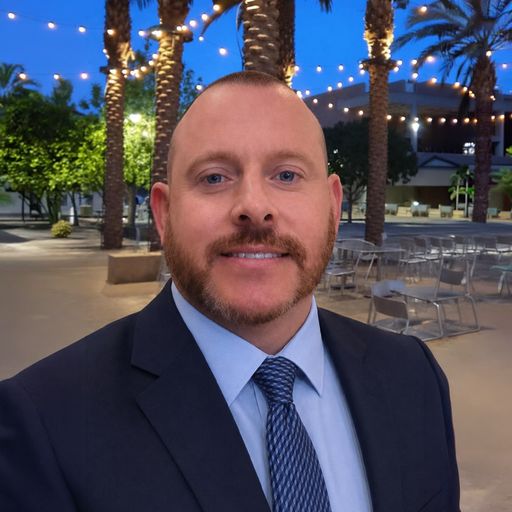
Patrick Thomas
Licensed Clinical Social Workers (LCSWs), like Patrick Thomas, are social workers trained to diagnose and treat mental health issues and substance misuse with psychotherapy and counseling.
Patrick has a Master of Social Work (MSW) from Arizona State University.
I am a therapist first, an educator, a public speaker, and a mental health professional who believes everyone deserves compassionate, individualized care.
Available virtually
This set of providers was curated just for you.
Want personalized assistance finding the right fit? Call or text our team at 323-745-8323.