Quality care comes first at Rula
We regularly review providers to ensure quality
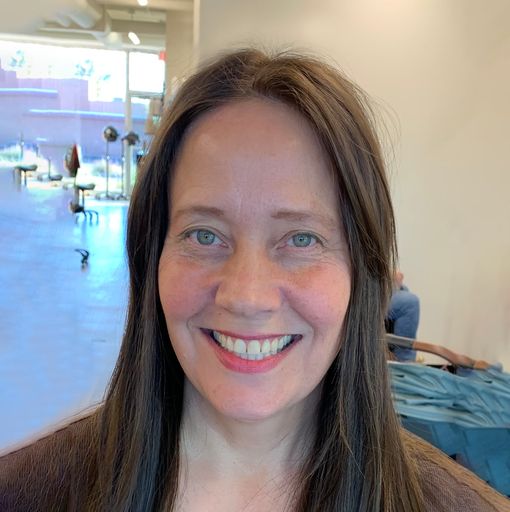
Eileen Bauer
Licensed Clinical Social Workers (LCSWs), like Eileen Bauer, are social workers trained to diagnose and treat mental health issues and substance misuse with psychotherapy and counseling.
Eileen has a Master of Social Work (MSW) with Direct Practice from University of Pittsburgh.
Do you feel like you’ve lost your way? Whether it's the pressure of work, a strained relationship, or a general sense of being disconnected, these "off-balance" moments can quickly turn into overwhelming anxiety or depression. You don’t have to suffer through these alone. Together, we’ll turn this challenging season into a turning point for growth.
Available virtually

April Wilson
Recognized for high quality patient care
Licensed Clinical Social Workers (LCSWs), like April Wilson, are social workers trained to diagnose and treat mental health issues and substance misuse with psychotherapy and counseling.
April has a Master of Social Work (MSW) from Cal Poly Humboldt.
So proud of you for taking the first step in reaching out for support. I look forward to working with you in the area of your choice. I will support you in any area of concern. Focus areas for my practice include couples, first responders (fire/EMS), law enforcement, and compassion fatigue.
Available virtually

Josephine Volpe
Many new patients continue care with this provider
Licensed Marriage and Family Therapists (LMFTs), like Josephine Volpe, are mental health professionals trained in family systems who can diagnose and treat mental health issues and substance misuse with psychotherapy and counseling.
Josephine has a Master of Science (MS) in Marriage and Family Therapy from Argosy University.
I help individuals, couples, and families heal from trauma, manage anger, and improve relationships. Using somatic therapy, mindfulness, and attachment-based techniques, I create a compassionate space to reconnect with yourself and others.
Available virtually
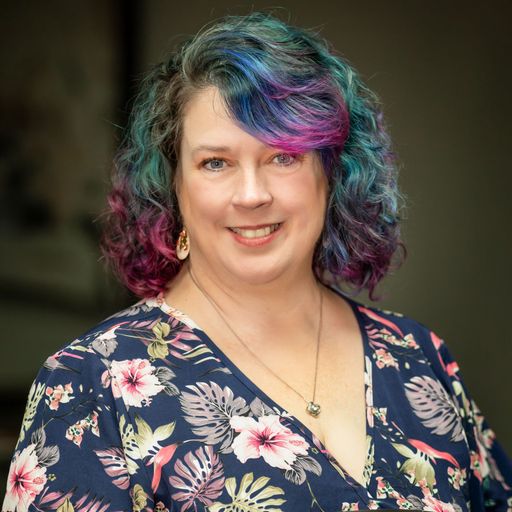
Julie Skelton
Licensed Clinical Social Workers (LCSWs), like Julie Skelton, are social workers trained to diagnose and treat mental health issues and substance misuse with psychotherapy and counseling.
Julie has a Master of Social Work (MSW) from New Mexico State University.
Does regular therapy sound intimidating, or maybe you have done it before and felt caught up in circles? My years as a play therapist have taught me new, engaging ways to help overcome those hurdles. I specialize in trauma and helping to recreate your life after domestic violence, divorce, and loss. I think outside the box and help with new ideas.
Available virtually

Luke Hatch
Licensed Clinical Social Workers (LCSWs), like Luke Hatch, are social workers trained to diagnose and treat mental health issues and substance misuse with psychotherapy and counseling.
Luke has a Master of Social Work (MSW) from University of Utah.
As a board Licensed Clinical Social Worker and psychotherapist, I want to help you achieve a stable and productive life. I'm excited to work with you to work through the challenges you are currently facing in your life.
Available virtually
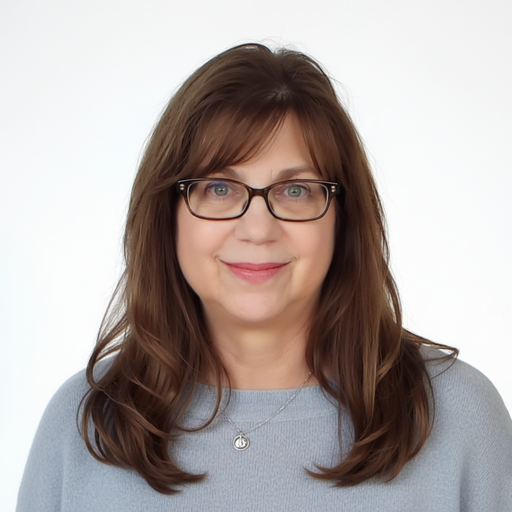
Debra DelVecchio-lee
Licensed Professional Counselors (LPCs), like Debra DelVecchio-lee, are mental health professionals trained to diagnose and treat mental health issues and substance misuse with psychotherapy and counseling.
Debra has a Master's in Counseling (MC) from Arcadia University.
I help individuals and families navigate depression, anxiety, stress, trauma, divorce, life transitions, and relationship concerns. My work focuses on supporting you through difficult moments with warmth and understanding.
Available virtually
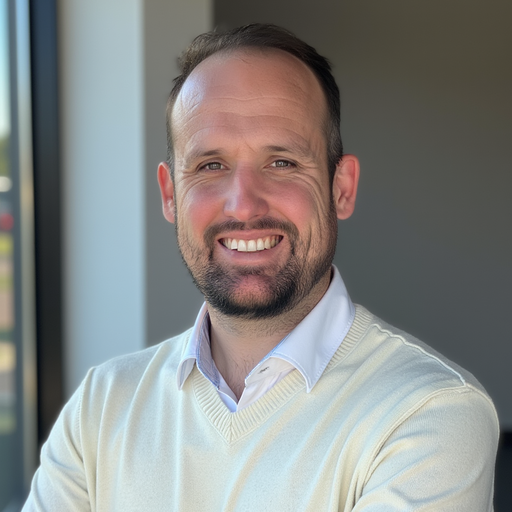
Corey Wolter
Licensed Professional Counselors (LPCs), like Corey Wolter, are mental health professionals trained to diagnose and treat mental health issues and substance misuse with psychotherapy and counseling.
Corey has a Master of Science (MS) in Professional Counseling from Grand Canyon University.
I specialize in helping adults navigate anxiety, relationship struggles, trauma, and life transitions with a calm, grounded, and practical approach. My style blends empathy with structure, creating a space where you can feel safe, seen, and supported as you move toward lasting change.
Available virtually
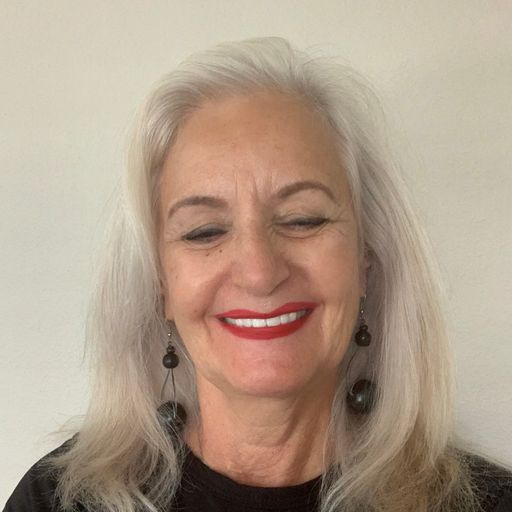
Florence Simcoe
Licensed Clinical Social Workers (LCSWs), like Florence Simcoe, are social workers trained to diagnose and treat mental health issues and substance misuse with psychotherapy and counseling.
Florence has a Master of Social Work (MSW) in Clinical Social Work/ Child and Adult Mental Health from Rhode Island College.
I have been a clinical social worker for almost 45 years (and still love it.) I am an LCSW, which is the highest degree of licensure in the state of Arizona (LCSW 1016). As a clinician, I focus on the assessment, diagnosis, treatment, and prevention of mental illness, emotional, and other behavioral disturbances.
Available virtually
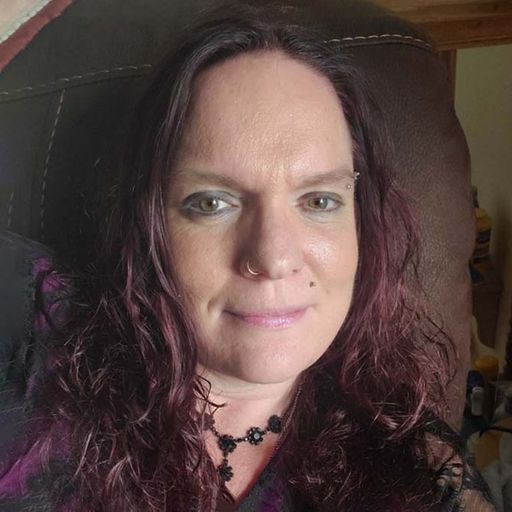
Lorraine Hellman
Licensed Professional Counselors (LPCs), like Lorraine Hellman, are mental health professionals trained to diagnose and treat mental health issues and substance misuse with psychotherapy and counseling.
Lorraine has a Master of Science (MS) in Counseling from University of Great Falls.
I go by Rainey. My therapeutic approach is integrated and tailored to the best needs of the client. I offer Cognitive Behavior Therapy, Dialectical Behavior Therapy, Person-Centered, Solution-Focused, EMDR, and Psychoeducation.
Available virtually
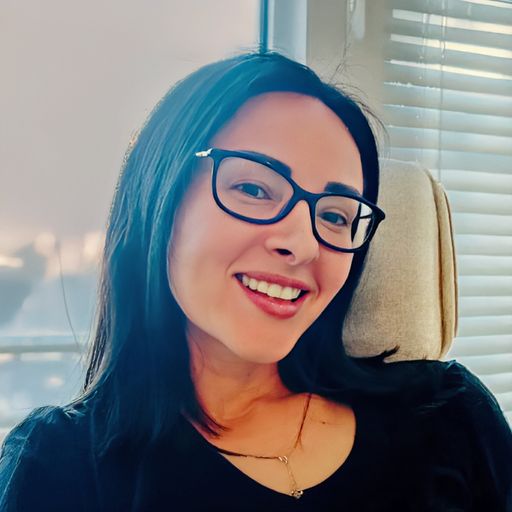
Dennily Stricker
Licensed Clinical Social Workers (LCSWs), like Dennily Stricker, are social workers trained to diagnose and treat mental health issues and substance misuse with psychotherapy and counseling.
Dennily has a Master of Social Work (MSW) from State University of NY - Buffalo.
I work with adults seeking greater peace while decreasing life's stressors. Whether you want to improve relationships, heal from past trauma, relieve depression and anxiety, or create a more fulfilling life, I would be honored to journey through this with you.
Available virtually
This set of providers was curated just for you.
Want personalized assistance finding the right fit? Call or text our team at 323-745-8323.