Quality care comes first at Rula
We regularly review providers to ensure quality
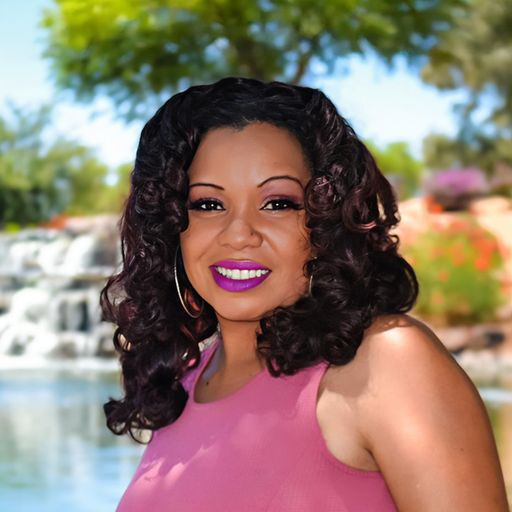
Shockie Dersno
Licensed Professional Counselors (LPCs), like Shockie Dersno, are mental health professionals trained to diagnose and treat mental health issues and substance misuse with psychotherapy and counseling.
Shockie has a Master of Science (MS) in Professional Counseling from Grand Canyon University.
Shockie Dersno, LPC – Mental Health Therapist, Coach, and Advocate for Healing and Empowerment. Shockie Dersno is a licensed professional counselor, transformational coach, and visionary leader in the behavioral health field, deeply committed to helping individuals reclaim their lives, reframe their thinking, and restore their emotional well-being.
Available virtually
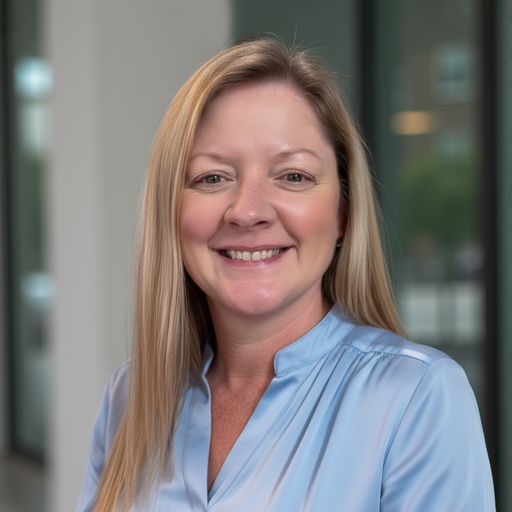
Anna Bourne
Licensed Clinical Social Workers (LCSWs), like Anna Bourne, are social workers trained to diagnose and treat mental health issues and substance misuse with psychotherapy and counseling.
Anna has a Master of Science in Social Work (MSSW) from Yeshiva University.
I believe therapy should be a safe and supportive space where you feel heard, understood, and empowered. My goal is to walk alongside you as you navigate challenges, helping you build tools that bring clarity, healing, and lasting change. I specialize in working with clients going through life changes, dealing with depression and anxiety.
Available virtually
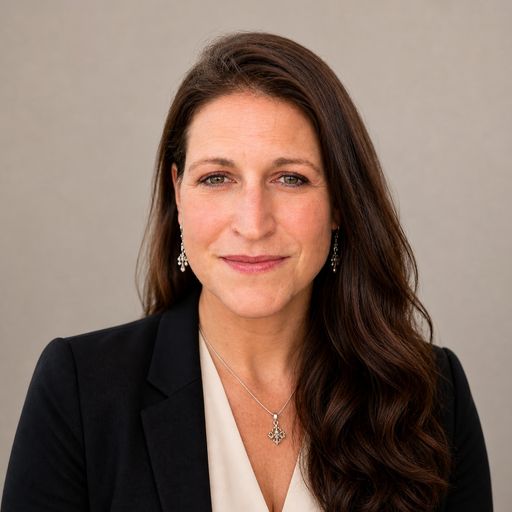
Samantha Blackwell
Recognized for high quality patient care
Licensed Clinical Social Workers (LCSWs), like Samantha Blackwell, are social workers trained to diagnose and treat mental health issues and substance misuse with psychotherapy and counseling.
Samantha has a Master of Social Work from Cleveland State University.
I am excited to work to help individuals and couples navigate anxiety, relationship challenges, and life transitions with practical, evidence-based tools like CBT and DBT. My approach is collaborative, supportive, and focused on helping you build real, sustainable change—not just insight, but action.
Available virtually
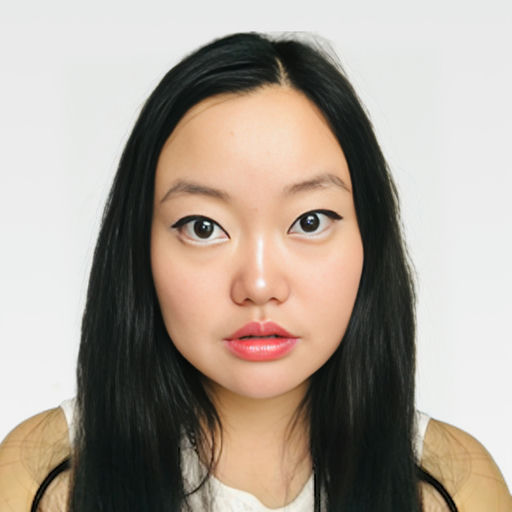
Clara Zhao
Licensed Professional Counselors (LPCs), like Clara Zhao, are mental health professionals trained to diagnose and treat mental health issues and substance misuse with psychotherapy and counseling.
Clara has a Master of Arts (MA) in Clinical Mental Health Counseling from Bradley University.
With a Bachelor's Degree in Psychology and a Master's Degree in Clinical Mental Health Counseling. I am a National Certified Counselor, Licensed Professional Counselor, Licensed Chemical Dependency Counselor, EMDR Therapist, and Clinical Hypnotherapist. As a Dallas Counseling provider, I specialize in Psychotherapy, EMDR Therapy.
Available virtually
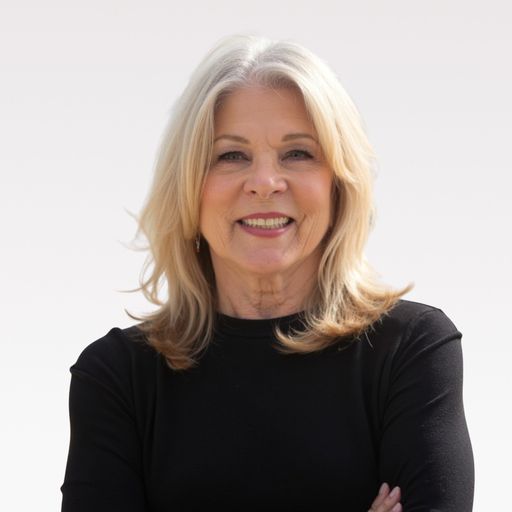
Sandra West
Licensed Professional Counselors (LPCs), like Sandra West, are mental health professionals trained to diagnose and treat mental health issues and substance misuse with psychotherapy and counseling.
Sandra has a Master of Science (MS) Licensed Professional Counselor from Grand Canyon University.
I extend my expertise to embrace holistic life coaching, guiding individuals toward healthier lifestyle choices and improved well-being.
Available virtually
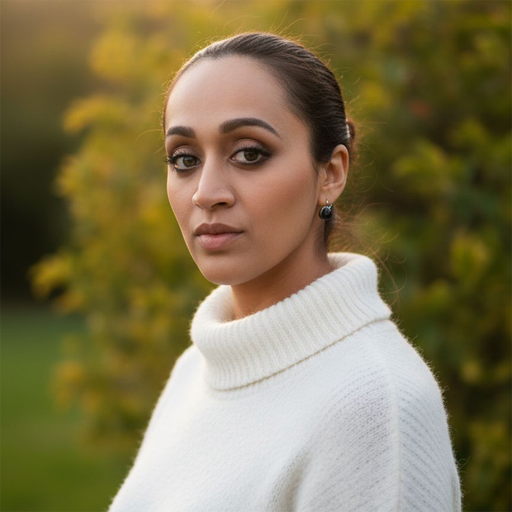
Ashwini Gupta-Martinez
Patients consistently give high satisfaction ratings
Licensed Marriage and Family Therapists (LMFTs), like Ashwini Gupta-Martinez, are mental health professionals trained in family systems who can diagnose and treat mental health issues and substance misuse with psychotherapy and counseling.
Ashwini has a Master of Arts (MA) in Marriage and Family Therapy from Santa Clara University.
I have a holistic and spiritually integrative approach to healing. In addition to my clinical work, I practice as an intuitive channel and animal soul communicator. My goal is to support clients in developing a deeper understanding of themselves, their life path, and the essence of their true identity.
Available virtually
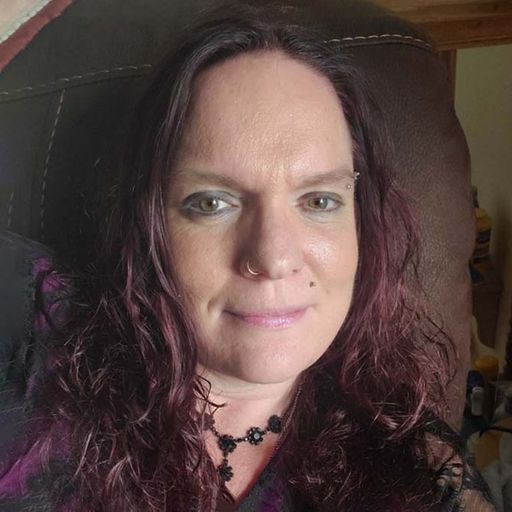
Lorraine Hellman
Licensed Professional Counselors (LPCs), like Lorraine Hellman, are mental health professionals trained to diagnose and treat mental health issues and substance misuse with psychotherapy and counseling.
Lorraine has a Master of Science (MS) in Counseling from University of Great Falls.
I go by Rainey. My therapeutic approach is integrated and tailored to the best needs of the client. I offer Cognitive Behavior Therapy, Dialectical Behavior Therapy, Person-Centered, Solution-Focused, EMDR, and Psychoeducation.
Available virtually
Briana Roybal
Licensed Professional Counselors (LPCs), like Briana Roybal, are mental health professionals trained to diagnose and treat mental health issues and substance misuse with psychotherapy and counseling.
Briana has a Master of Science (MS) in Counseling from Prescott College.
I am so glad you are here! I provide a supportive space for you to look inward and discover your own inner wisdom. With gentle guidance, I strive to help you become more self-aware and able to get through life's ups and downs.
Available virtually
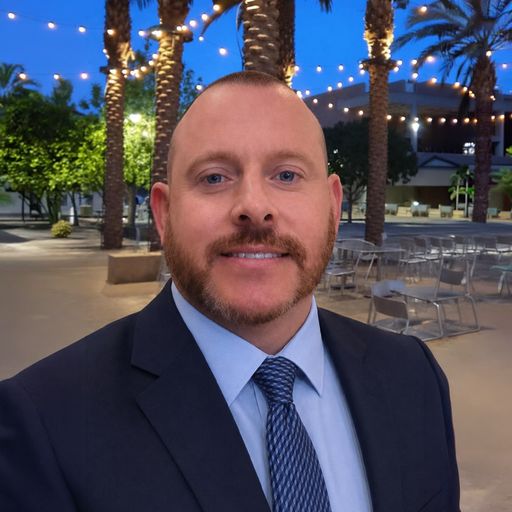
Patrick Thomas
Licensed Clinical Social Workers (LCSWs), like Patrick Thomas, are social workers trained to diagnose and treat mental health issues and substance misuse with psychotherapy and counseling.
Patrick has a Master of Social Work (MSW) from Arizona State University.
I am a therapist first, an educator, a public speaker, and a mental health professional who believes everyone deserves compassionate, individualized care.
Available virtually
This set of providers was curated just for you.
Want personalized assistance finding the right fit? Call or text our team at 323-745-8323.