Quality care comes first at Rula
We regularly review providers to ensure quality
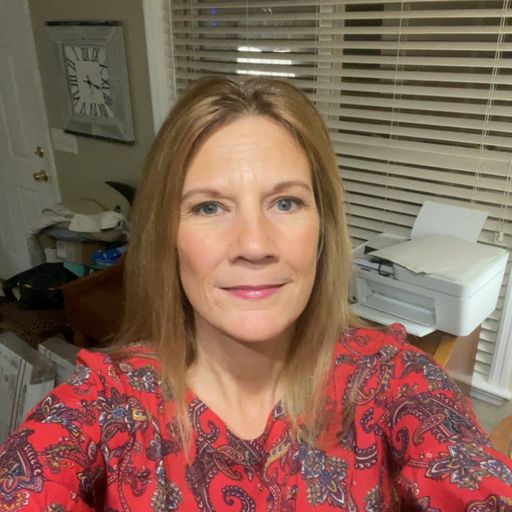
Tammy Edge
Recognized for high quality patient care
Licensed Professional Counselors (LPCs), like Tammy Edge, are mental health professionals trained to diagnose and treat mental health issues and substance misuse with psychotherapy and counseling.
Tammy has a Master of Science in Education (MS ED) in School Psychology, and Counseling from Georgia Southern University.
I help individuals and families navigate life's challenges with empathy, understanding, and the belief that everyone has the potential to grow, heal, and thrive.
Available virtually
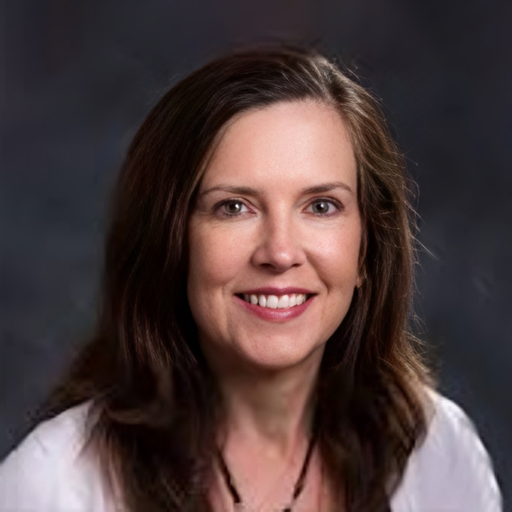
Ruth Foster
Recognized for high quality patient care
Licensed Clinical Social Workers (LCSWs), like Ruth Foster, are social workers trained to diagnose and treat mental health issues and substance misuse with psychotherapy and counseling.
Ruth has a Master of Social Work (MSW) from University of Maryland.
I work with adults navigating depression, anxiety, relationship challenges, substance use, OCD, and life transitions.
Available virtually
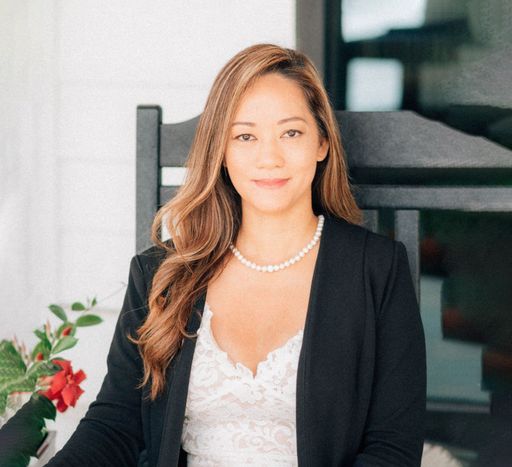
Johanna Carter
Recognized for high quality patient care
Licensed Professional Counselors (LPCs), like Johanna Carter, are mental health professionals trained to diagnose and treat mental health issues and substance misuse with psychotherapy and counseling.
Johanna has a Master of Arts (MA) in Clinical Mental Health Counseling from Antioch University.
I work with individuals, couples, and families from diverse cultures and backgrounds, helping with a range of life challenges and mental health concerns. My experience spans private practice, community, and school-based settings, giving me a broad perspective on the issues people face.
Available virtually
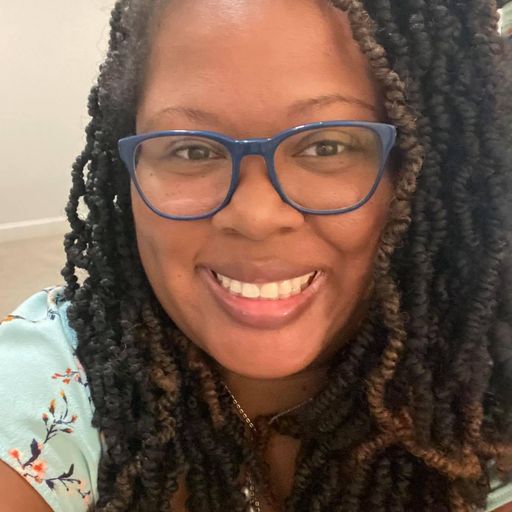
Kali Woodland-Lambert
Recognized for high quality patient care
Licensed Clinical Social Workers (LCSWs), like Kali Woodland-Lambert, are social workers trained to diagnose and treat mental health issues and substance misuse with psychotherapy and counseling.
Kali has a Master of Social Work (MSW) from California State University, Fullerton.
I am excited to support future clients in living their best life and in stepping into the most authentic version of themselves.
Available virtually
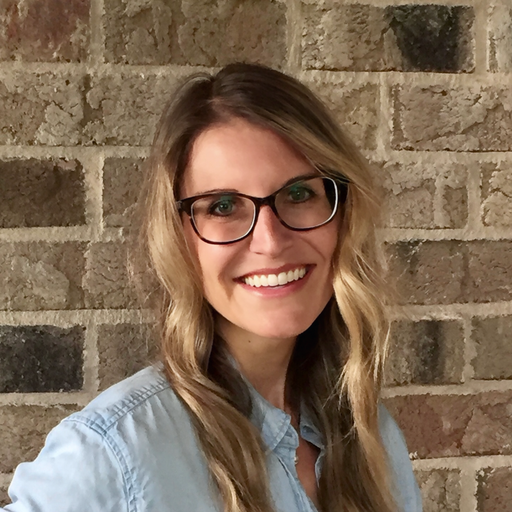
Kelly Conlon
Many new patients continue care with this provider
Licensed Professional Counselors (LPCs), like Kelly Conlon, are mental health professionals trained to diagnose and treat mental health issues and substance misuse with psychotherapy and counseling.
Kelly has a Master of Arts (MA) in Clinical Psychology from Pepperdine University.
I work with individuals or couples navigating life transitions, anxiety, eating disorders, OCD, low self-esteem, perfectionism, relationships, and family dynamics.
Available virtually
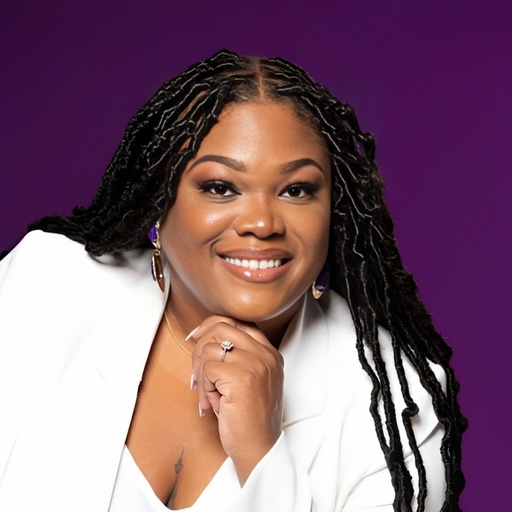
Amekia Lawson
Recognized for high quality patient care
Licensed Professional Counselors (LPCs), like Amekia Lawson, are mental health professionals trained to diagnose and treat mental health issues and substance misuse with psychotherapy and counseling.
Amekia has a Masters of Education (MED) from University of West Georgia.
I have a background in Psychology and Sociology, with advanced training in Professional Counseling. I'm passionate about helping people navigate life's challenges and find their path forward.
Available virtually
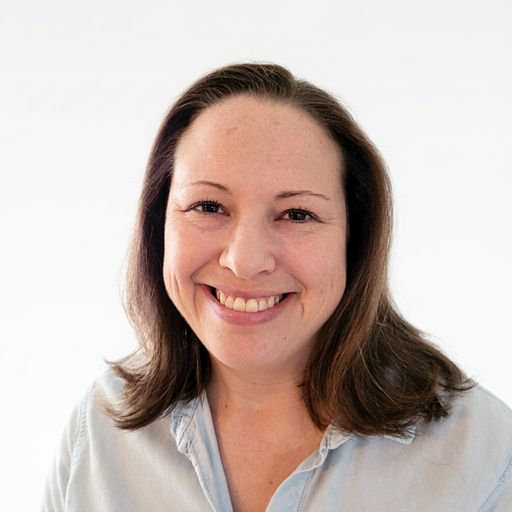
Jamie Lewis-Cox
Recognized for high quality patient care
Licensed Professional Counselors (LPCs), like Jamie Lewis-Cox, are mental health professionals trained to diagnose and treat mental health issues and substance misuse with psychotherapy and counseling.
Jamie has a Master of Science (MS) in Counselor Education from Augusta University and a Master of Science Psychology (MSPSY) from Augusta State University.
I work with people struggling with depression, anxiety, PTSD, ADHD, and suicidal thoughts. Seeking therapy is anxiety-filled, whether it's your first time or bad experiences left you feeling guarded or hopeless. You deserve counseling tailored to you. I practice from the fundamental belief that everyone deserves kindness and compassion.
Available virtually
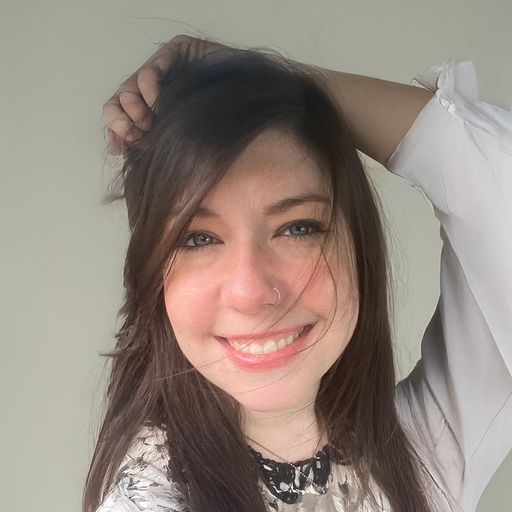
Chyna Brown
Many new patients continue care with this provider
Licensed Professional Counselors (LPCs), like Chyna Brown, are mental health professionals trained to diagnose and treat mental health issues and substance misuse with psychotherapy and counseling.
Chyna has a Master in Counseling (MC) Clinical Mental Health Counseling from Mercer University School of Medicine.
Asking for help is one of the hardest things a person can do. So awesome job! You have already taken the first big step. I am here to support you through any hardships you may be going through in your life. I specialize in depression, anxiety, neurodivergence, trauma, and LGBTQIA+ struggles.
Available virtually
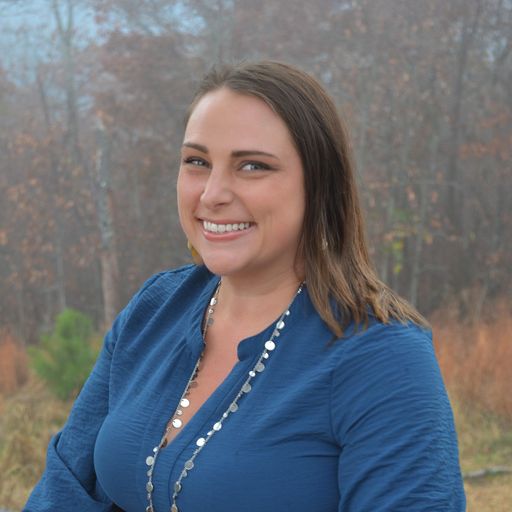
Jordan Child
Licensed Marriage and Family Therapists (LMFTs), like Jordan Child, are mental health professionals trained in family systems who can diagnose and treat mental health issues and substance misuse with psychotherapy and counseling.
Jordan has a Master of Science (MS) Community Counseling from Columbus State University.
Do you often feel weighed down by the recurring patterns in your relationships? Is it getting harder to get through the day-to-day? I am dedicated to helping individuals, couples & families navigate life's challenges and strengthen their relationships. I am committed to creating a safe, non-judgmental space to support your growth and healing.
Available virtually
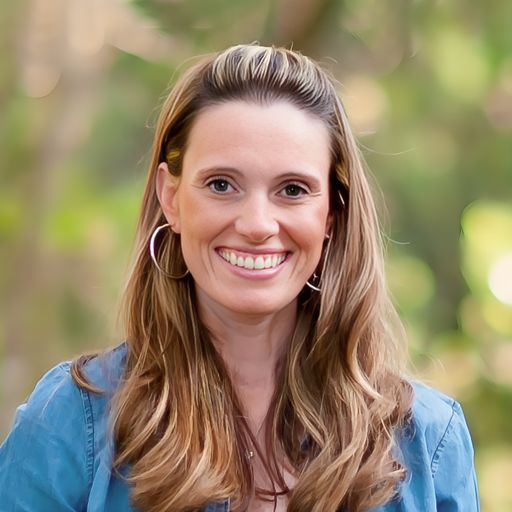
Kimberly Leary
Licensed Psychologists (LPs), like Kimberly Leary, hold a doctoral degree and are trained to diagnose and treat mental health issues and substance misuse with psychotherapy and counseling.
Kimberly has a Doctor of Philosophy (PHD) in Clinical Psychology from Alliant International University.
I create a supportive space where you can explore challenges and work toward meaningful change. My approach is collaborative and tailored to your unique needs, helping you build on your strengths while addressing what brings you to therapy.
Available virtually
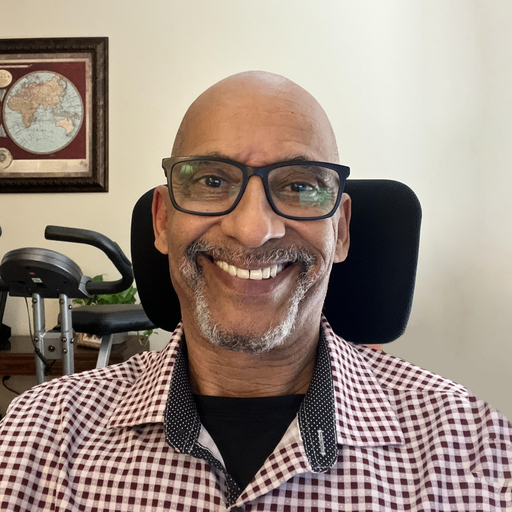
Carlton Mitchell
Many new patients continue care with this provider
Licensed Professional Counselors (LPCs), like Carlton Mitchell, are mental health professionals trained to diagnose and treat mental health issues and substance misuse with psychotherapy and counseling.
Carlton has a Masters of Arts (MA) in Counseling Psychology from LeTourneau University.
Seeking Help Is A Sign Of Strength. Starting therapy can feel like a big step. I congratulate you on starting your journey, and I’m here to make sure that it is meaningful to you. I welcome you to reach out whenever you feel ready to begin. I’m here to provide a safe and supportive environment where you can be yourself.
Available virtually
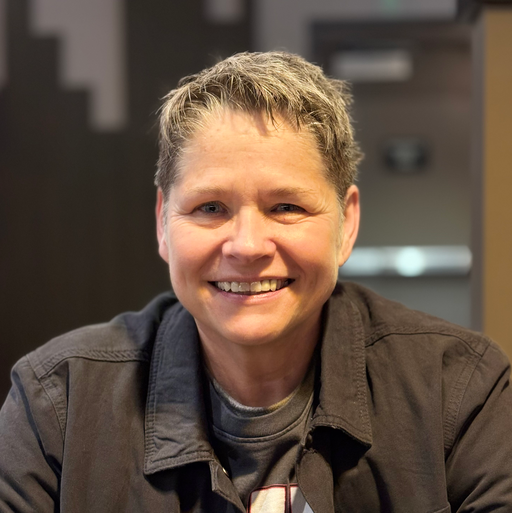
Pamela Gray
Many new patients continue care with this provider
Licensed Clinical Social Workers (LCSWs), like Pamela Gray, are social workers trained to diagnose and treat mental health issues and substance misuse with psychotherapy and counseling.
Pamela has a Master of Social Work (MSW) from East Tennessee State University.
Life can feel heavy sometimes — full of uncertainty, worry, or self-doubt. As a therapist, I provide a calm, supportive space to explore what’s weighing you down and rediscover your sense of direction. Together, we’ll build insight, confidence, and meaningful change at a pace that feels right for you.
Available virtually
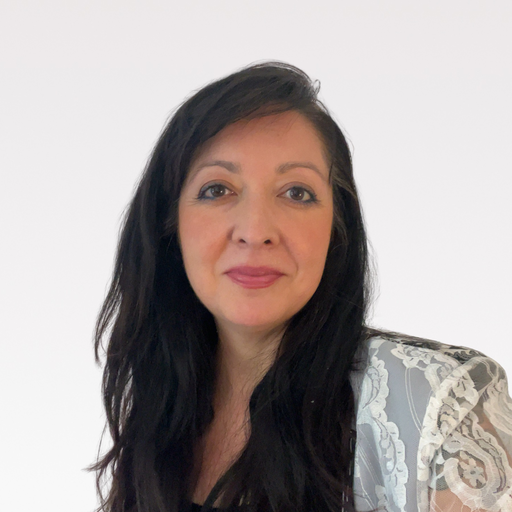
Katrina Todd
Licensed Marriage and Family Therapists (LMFTs), like Katrina Todd, are mental health professionals trained in family systems who can diagnose and treat mental health issues and substance misuse with psychotherapy and counseling.
Katrina has a Master's in Counseling (MC) in Marriage and Family Therapy from Argosy University.
I strive to bring multiple tools to the table and create safe, active environments where everyone can excel and feel successful, especially when we discover meaningful and doable steps together.
Available virtually
This set of providers was curated just for you.
Want personalized assistance finding the right fit? Call or text our team at 323-745-8323.