Quality care comes first at Rula
We regularly review providers to ensure quality
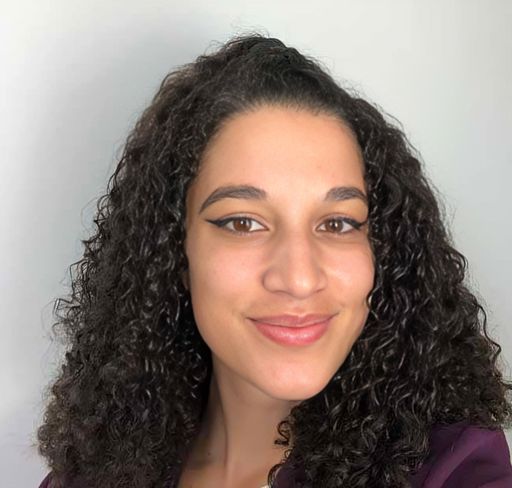
Hannah Pinkston
Recognized for high quality patient care
Licensed Professional Counselors (LPCs), like Hannah Pinkston, are mental health professionals trained to diagnose and treat mental health issues and substance misuse with psychotherapy and counseling.
Hannah has a Master of Science (MS) in Counseling/Behavioral Sciences from Grand Canyon University.
I approach therapy with a focus on you as a unique individual. Your story and experiences are valid and central to our collaborative work together.
Available virtually
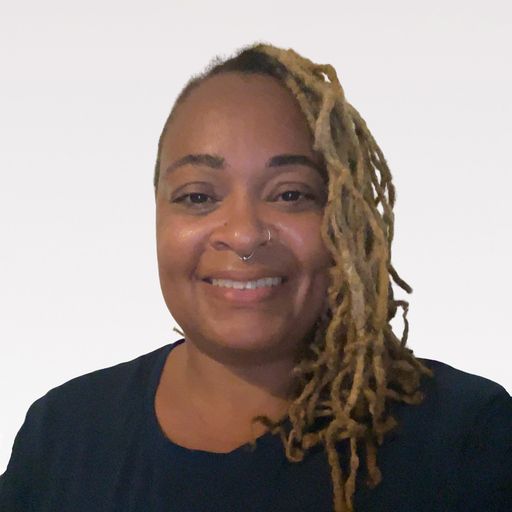
Monique Hart
Many new patients continue care with this provider
Licensed Clinical Social Workers (LCSWs), like Monique Hart, are social workers trained to diagnose and treat mental health issues and substance misuse with psychotherapy and counseling.
Monique has a Master of Social Work (MSW) from Rutgers University College, New Brunswick.
I am a single mother of three sons who represent the 3Q’s in 3Q’s & Hart Counseling. My vision for 3Q’s & Hart Counseling is that it is a haven for single mothers struggling with depression and anxiety. You will learn how to fully embrace the present moment, stress management techniques, and improve your self-care routine.
Available virtually
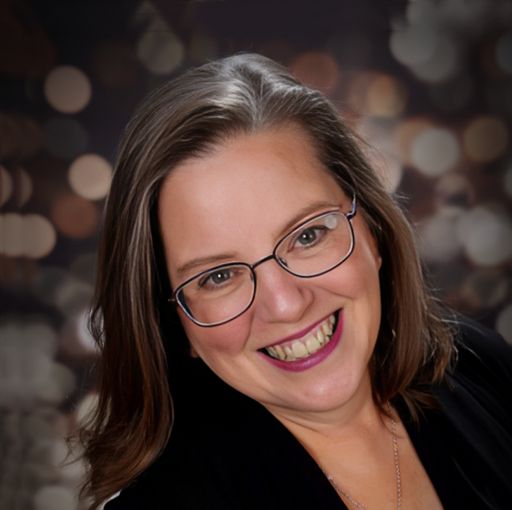
Karen Beth Johnston-Sabat
Recognized for high quality patient care
Licensed Professional Counselors (LPCs), like Karen Beth Johnston-Sabat, are mental health professionals trained to diagnose and treat mental health issues and substance misuse with psychotherapy and counseling.
Karen Beth has a Master of Arts (MA) in Clinical Mental Health Counseling from Regent University.
I work with people from diverse backgrounds facing a wide range of challenges. My broad counseling experience allows me to meet you where you are and help you move forward with clarity and purpose.
Available virtually
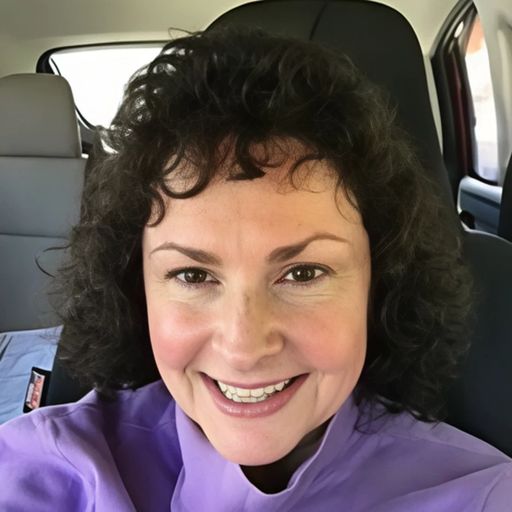
Frankie Holt
Licensed Professional Counselors (LPCs), like Frankie Holt, are mental health professionals trained to diagnose and treat mental health issues and substance misuse with psychotherapy and counseling.
Frankie has a Master of Science (MS) in Counseling Psychology from Indiana State University and a Master of Arts (MA) in Sociology from Western Illinois University.
I work with individuals and all forms of couples, including those in the LGBTQIA+ community and their allies. I believe that each person is unique and special. I am caring and committed to providing an emotionally safe, warm, supportive, affirming, non-judgmental space to begin and continue your journey.
Available virtually
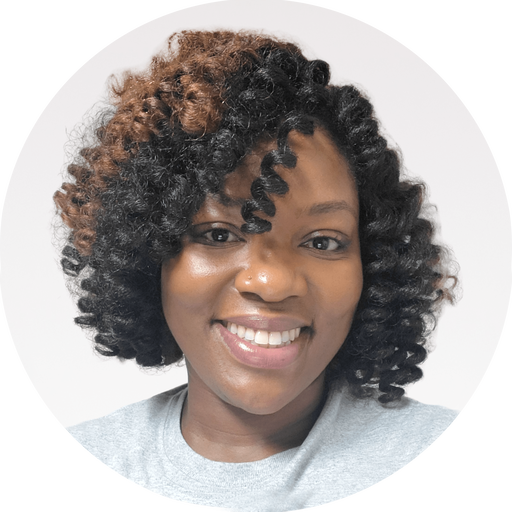
Auria Chamberlain
Licensed Clinical Social Workers (LCSWs), like Auria Chamberlain, are social workers trained to diagnose and treat mental health issues and substance misuse with psychotherapy and counseling.
Auria has a Master of Social Work (MSW) from University of North Carolina, Greensboro.
I meet you where you are, wherever that may be. Let's explore together.
Available virtually
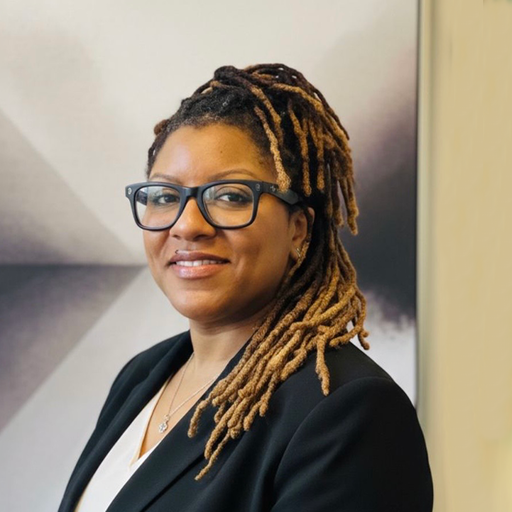
Jazmyn Wilson
Licensed Clinical Social Workers (LCSWs), like Jazmyn Wilson, are social workers trained to diagnose and treat mental health issues and substance misuse with psychotherapy and counseling.
Jazmyn has a Master of Social Work (MSW) from Virginia Commonwealth University.
I’m a Licensed Clinical Social Worker who works with teens and adults navigating anxiety, depression, life transitions, and everyday stress. I bring over a decade of experience across healthcare and school settings and strive to create a supportive, compassionate space where clients feel heard and empowered to grow.
Available virtually
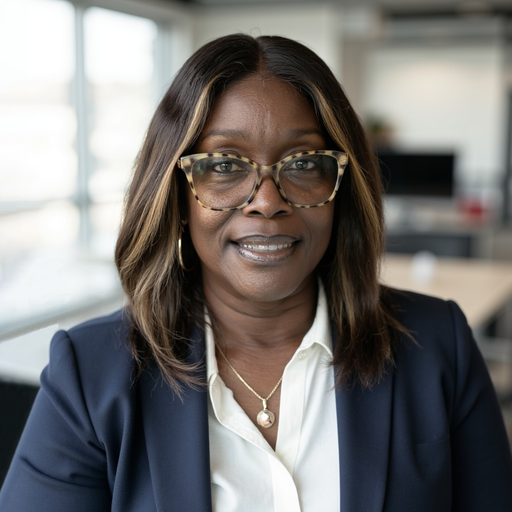
Paula Williams
Many new patients continue care with this provider
Licensed Clinical Social Workers (LCSWs), like Paula Williams, are social workers trained to diagnose and treat mental health issues and substance misuse with psychotherapy and counseling.
Paula has a Master of Social Work from Adelphi University.
I'm so glad you're here. I help individuals and families work through anxiety, trauma, life transitions, and relationships. My approach is compassionate, collaborative, and grounded in evidence-based practices designed to support you in creating meaningful, lasting change.
Available virtually
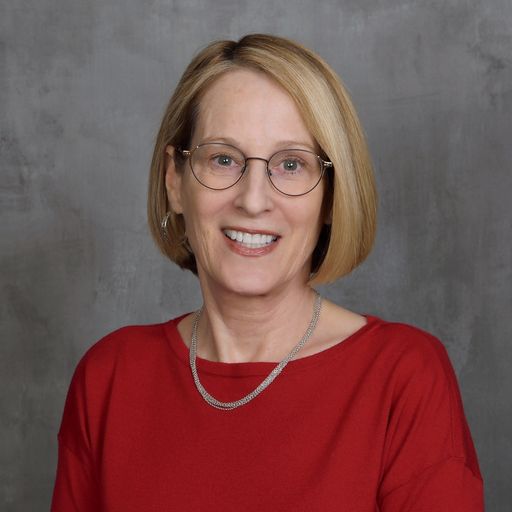
Patricia Schuyler
Patients consistently give high satisfaction ratings
Licensed Marriage and Family Therapists (LMFTs), like Patricia Schuyler, are mental health professionals trained in family systems who can diagnose and treat mental health issues and substance misuse with psychotherapy and counseling.
Patricia has a Masters of Arts (MA) in Psychology/EAP Programs from Antioch University.
I work with people of all backgrounds, ethnicities, and cultures, including children (10 and older), adolescents, adults, and seniors. My areas of focus include Mood Disorders, Anxiety Disorders, Women's Issues, Couples and Families, Grief and Loss, Stress and Anger Management, Relationship Issues, LGBTQ, and Trauma and Abuse.
Available virtually
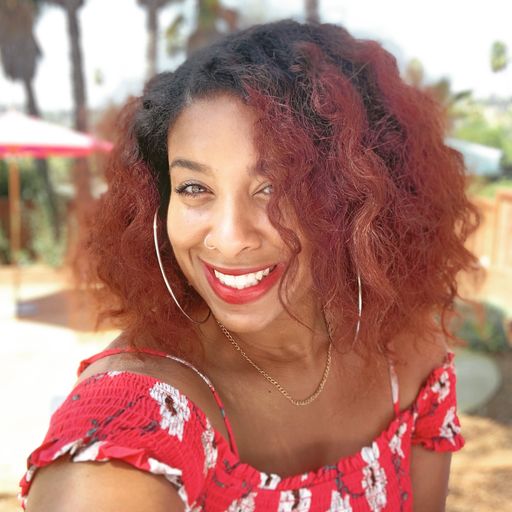
Melissa Woods
Many new patients continue care with this provider
Licensed Clinical Psychologists (LCPs), like Melissa Woods, hold a doctoral degree and are trained to diagnose and treat mental health issues and substance misuse with psychotherapy and counseling.
Melissa has a Doctor of Psychology (PSYD) from The Chicago School of Professional Psychology and a Masters of Education (MED) in Counseling and Development from George Mason University.
As a clinician, I enjoy the collaborative navigation of lived experiences in service of cultivating a better quality and more fulfilling life.
Available virtually
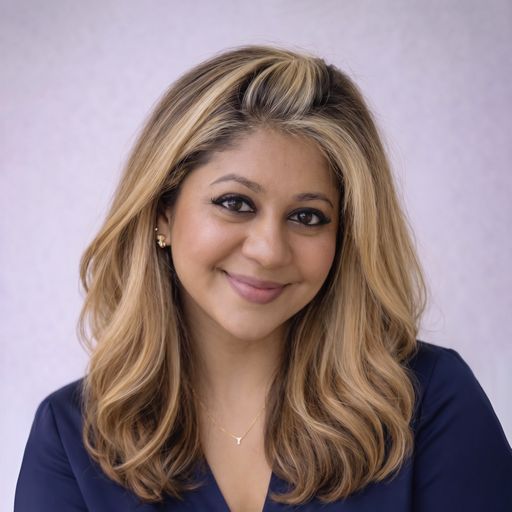
Judith Moses
Many new patients continue care with this provider
Licensed Clinical Social Workers (LCSWs), like Judith Moses, are social workers trained to diagnose and treat mental health issues and substance misuse with psychotherapy and counseling.
Judith has a Master of Social Work (MSW) from University of Cincinnati College of Medicine.
I’m an LCSW and the founder of Compassionate Counseling & Psychotherapy Services. I provide a safe, supportive space where individuals, couples, and families can explore challenges, strengthen relationships, and move toward emotional healing and personal growth.
Available virtually
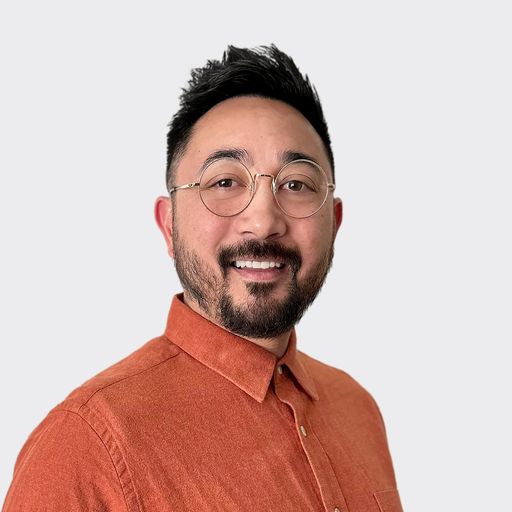
Rey-Philip Genaldo
Many new patients continue care with this provider
Licensed Marriage and Family Therapists (LMFTs), like Rey-Philip Genaldo, are mental health professionals trained in family systems who can diagnose and treat mental health issues and substance misuse with psychotherapy and counseling.
Rey-Philip has a Master of Arts (MA) in Marriage and Family Therapy from Alliant International University, Irvine.
As a trauma-focused, Existential, EMDR therapist, I believe in the importance of connection, support, and finding meaning together. I have extensive experience working with adolescents, adults and first responders, and I believe that no matter where you are in life or what you're struggling with, you don't have to travel it alone.
Available virtually
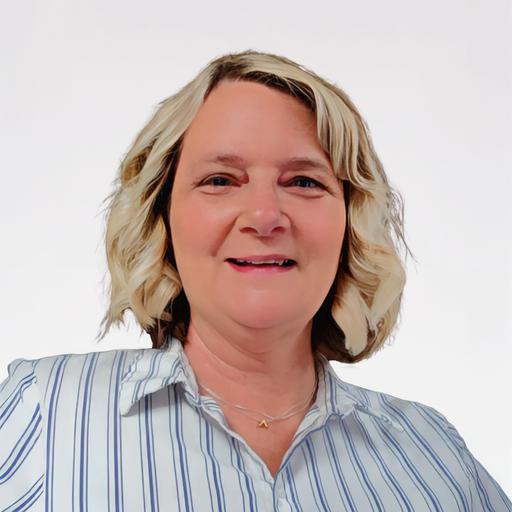
Candace Berry
Many new patients continue care with this provider
Licensed Professional Counselors (LPCs), like Candace Berry, are mental health professionals trained to diagnose and treat mental health issues and substance misuse with psychotherapy and counseling.
Candace has a Doctor of Education (EDD) in Community Care and Counseling from Liberty University and a Master in Counseling (MC) in Professional Counseling from Liberty University.
I'm glad you're here, and your story matters. I specialize in women's issues, healing from trauma, and finding hope when you feel lost. We all face challenges that create doubt about our purpose and how to rebuild after negative experiences. I work closely with you to instill hope and empower healthy decisions.
Available virtually
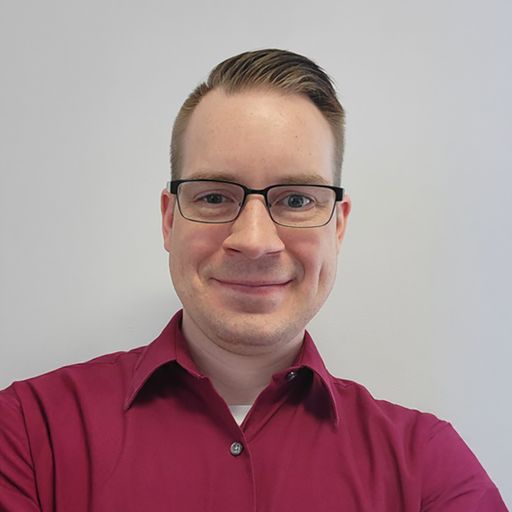
Joseph Autry
Licensed Professional Counselors (LPCs), like Joseph Autry, are mental health professionals trained to diagnose and treat mental health issues and substance misuse with psychotherapy and counseling.
Joseph has a Master in Counseling (MC) from Liberty University.
In our first session, we'll discover what your struggles are. From there, we can discover the causes of those struggles and work on the best ways to cope with them..
Available virtually
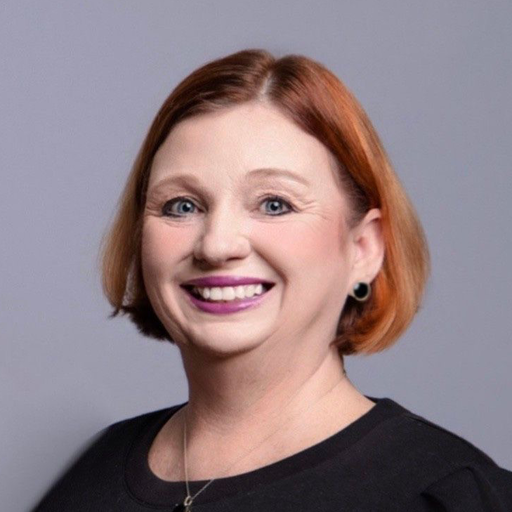
Stephanie Taylor
Patients consistently give high satisfaction ratings
Licensed Clinical Social Workers (LCSWs), like Stephanie Taylor, are social workers trained to diagnose and treat mental health issues and substance misuse with psychotherapy and counseling.
Stephanie has a Master of Social Work (MSW) from Valdosta State University.
Have you lost focus or motivation? Need encouragement and self-exploration? Feeling pulled in many directions with a mountain of responsibilities? Feeling sluggish, depressed, or stressed? You have come to the right place, and I am excited to partner with you as we develop an effective, clear approach to your success.
Available virtually
This set of providers was curated just for you.
Want personalized assistance finding the right fit? Call or text our team at 323-745-8323.