
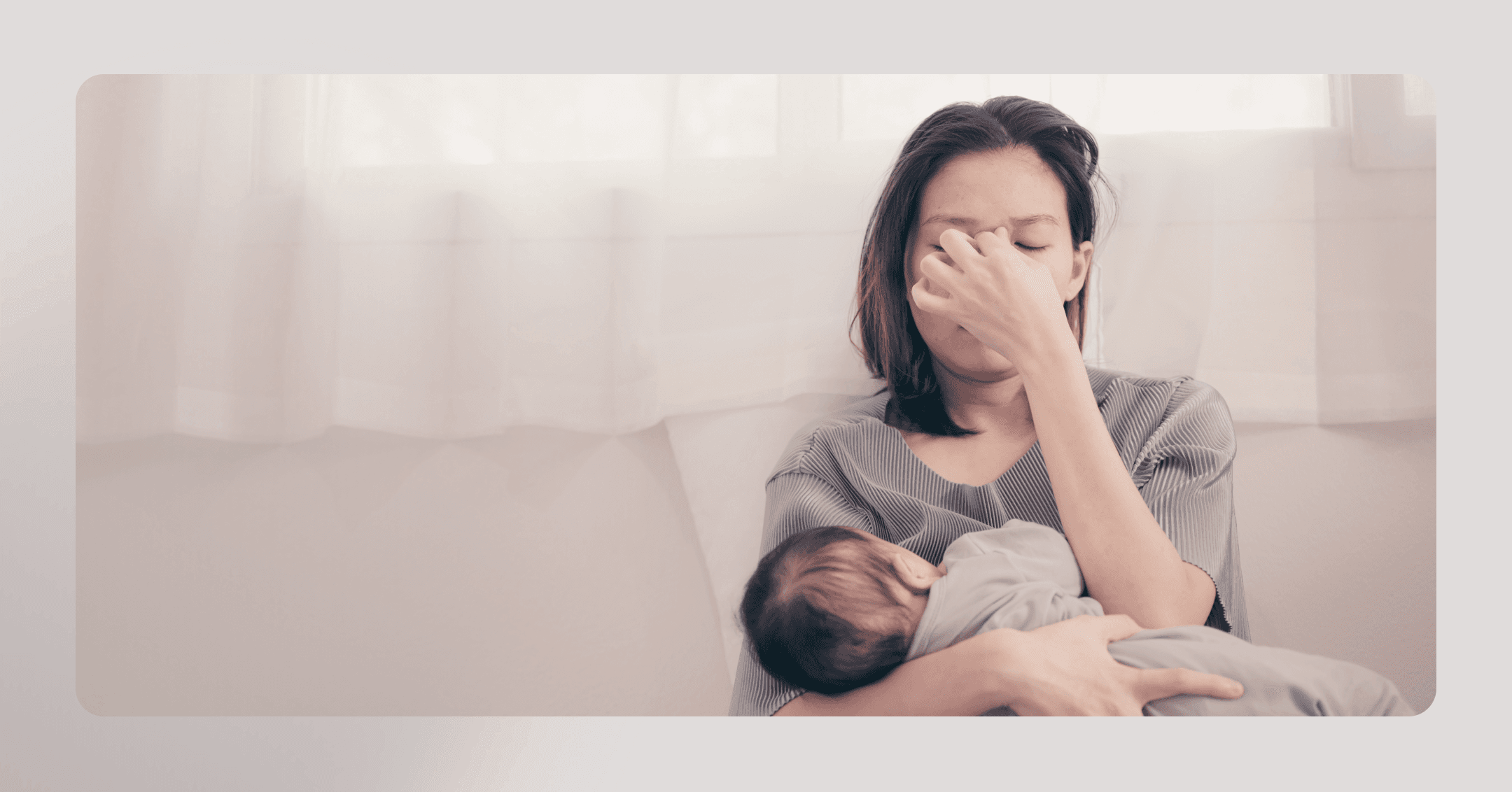
It’s normal to worry about your infant’s safety and well-being. But when these thoughts become obsessive and intrusive, it may be a sign of postpartum OCD.
Postpartum OCD develops in the first year after a person gives birth. Without support, symptoms can affect your well-being, relationships, and ability to care for your child.
Like other types of OCD, postpartum OCD is treatable. It’s possible to manage intrusive thoughts with the right resources and support.
New parents often feel overwhelmed in the days and weeks following childbirth. It’s normal to worry about things like accidentally dropping your baby, getting them sick, and sudden infant death syndrome [1] (SIDS). However, ongoing intrusive thoughts that cause significant distress and impairment can be a sign of postpartum OCD.
Postpartum OCD is a type of obsessive-compulsive disorder (OCD) that develops after someone gives birth. Similar to other perinatal mood and anxiety disorders (PMADs), postpartum OCD is highly treatable when someone has access to the right resources and support.
Learning about the signs, symptoms, and risk factors for postpartum OCD can help you find the right care for yourself or a loved one.
Recognizing symptoms of postpartum OCD
Postpartum OCD often begins within the first eight weeks following childbirth but can develop any time during the first year. Like other types of OCD, postpartum OCD involves unwanted, intrusive thoughts and compulsive behaviors to manage the anxiety caused by those thoughts.
It’s important to know that many new parents have occasional scary or upsetting thoughts, especially during times of stress or sleep deprivation. Having these thoughts alone does not mean you have OCD. What sets postpartum OCD apart is how frequent the thoughts are, how distressing they feel, and how much they interfere with your daily life.
With postpartum OCD, obsessions and compulsions are typically related to your child’s safety. For example, you might think:
“What if the baby stops breathing?”
“What if I drop the baby when I’m going down the stairs?”
“What if I accidentally touch the baby in an inappropriate way?”
“What if I’m not a good enough parent?”
“What if I make my baby really sick?”
Obsessions are typically followed by compulsions, like checking and rechecking that the baby monitor is on, praying excessively about their safety, or seeking constant reassurance that nothing bad will happen to them. While these behaviors may provide some temporary relief, they continue to reinforce the cycle of OCD obsessions and compulsions.
The care you need, when you need it
Learn how Rula can support your mental health journey
What causes postpartum OCD?
While the exact prevalence of postpartum OCD is up for debate, a recent study found that 1 in 6 women reported experiencing OCD symptoms [2] during pregnancy or postpartum.
For some women, giving birth can bring on symptoms of OCD for the first time. Among women with existing OCD, many found that their symptoms became more severe during the postpartum period [3]. And while postpartum OCD is most common among mothers, fathers can experience it [4] too.
Possible risk factors for developing postpartum OCD [3] include:
Giving birth for the first time
Having a pre-term birth [2]
Having a personal or family history of mood disorders or OCD
How postpartum OCD impacts new parents
Postpartum OCD can make it difficult for new parents to live in the moment with their child. Instead of enjoying newborn snuggles, you might worry that you’ll smother your baby or they’ll overheat in your arms. You might feel so anxious about the idea of harming your baby that you begin to avoid spending time with them [5]. Even when you recognize that you’re acting irrationally, it can feel impossible to stop.
Many parents with postpartum OCD feel guilty or ashamed of these thoughts. You might worry that you're losing control or not fit to be a parent. These thoughts are egodystonic, meaning they go against your values, intentions, and how you truly feel about your child. Fortunately, experts agree that the chances of acting on these intrusive thoughts are very low [6].
Postpartum OCD can also impact the way you communicate, share responsibilities, and prioritize intimacy with your partner. For example, undiagnosed obsessions and compulsions may come off as excessive or overly controlling. When taken out of context, they can contribute to trust issues.
Unmanaged postpartum OCD can also lead to [6]:
Feelings of sadness and hopelessness
Loss of appetite
Social isolation and lack of interest in your usual hobbies
Lack of self-care
Suicidal thoughts and/or behaviors*
Trouble sleeping because of your fears and urges
*The 988 Suicide and Crisis Lifeline provides 24/7, confidential support with trained crisis counselors. If you or a loved one is in emotional distress or a suicidal crisis, please call or text 988. If you’re experiencing a life-threatening emergency or need immediate help, please call 911.
What you can do about postpartum OCD
If you're having trouble coping with intrusive thoughts, it’s best to meet with a mental health professional. Postpartum OCD can appear similar to other PMADs, like postpartum depression (PPD), and an accurate diagnosis will help you access the right treatment for you.
OCD treatment typically involves exposure and response prevention (ERP) therapy. Other types of therapy that can help with OCD include acceptance and commitment therapy (ACT) and dialectical behavior therapy (DBT). What’s most important is finding a therapist with experience treating OCD.
Medication can also be effective for managing symptoms of OCD. There are many safe choices for pregnant and breastfeeding women, and a psychiatric provider can work with you to find the right option for you.
While therapy and medication are considered first-choice strategies for treating OCD, the following tips may help you feel more in control of your symptoms and confident in your parenting abilities.
Prioritize sleep. Research shows that lack of sleep may affect the frequency of intrusive thoughts [7]. Although the newborn phase isn’t known for allowing for quality sleep, try to prioritize rest when you can. This might mean swapping overnight shifts with your partner or asking a family member to watch the baby while you nap.
Make time for yourself. Parenting is a 24/7 job, but everyone needs a little time for themselves. Regular self-care can help you cope with distressing thoughts and avoid issues like parental burnout. This can be anything that helps you charge and reset. For example, try spending time in nature, practicing daily gratitude, or writing in your journal.
Seek community support. Raising a child takes a village, so don't be afraid to ask for the help you need [8]. This might include emotional support, parenting advice, or babysitting time. Another option is to join a postpartum support group. Connecting with others who’ve experienced similar challenges can validate your experience and help you discover new insights and coping strategies.
I often invite parents to ask themselves, ‘If this thought truly reflected who I am, would it feel this upsetting?’ Intrusive thoughts in postpartum OCD go against your values — and that distress is actually a sign of how deeply you care about your child.

Brandy Chalmers, LPC
Clinical reviewer
Find care with Rula
It’s common for new parents to experience mental health challenges in the days and weeks after birth. But if you continue to have obsessive thoughts about your baby’s safety and well-being, consider seeking professional support. Therapy can help you address your symptoms so you can fully enjoy your time with your family.
At Rula, we’re here to help you feel better. Rula makes it easy to find a licensed therapist or psychiatric provider who takes your insurance. That way, you don’t have to choose between great care and a price you can afford.
Rula patients pay about $15 per session with insurance, and 93% say they feel better after getting care through Rula. We have 21,000+ providers, and appointments are available as soon as tomorrow. We’re here to help you take the next step — wherever you are in your mental health journey.
References
- Maternal unwanted and intrusive thoughts of infant-related harm, obsessive-compulsive disorder and depression in the perinatal period: study protocol https://link.springer.com/article/10.1186/s12888-019-2067-x
- Obsessive-compulsive disorder (OCD) symptoms during pregnancy and postpartum: prevalence, stability, predictors, and comorbidity with peripartum depression symptoms https://link.springer.com/article/10.1186/s12884-025-07302-y#Sec11
- Perinatal Obsessive–Compulsive Disorder: Epidemiology, Phenomenology, Etiology, and Treatment https://pmc.ncbi.nlm.nih.gov/articles/PMC10323687/
- Understanding Postpartum OCD and the Mother/Baby Attachment https://adaa.org/learn-from-us/from-the-experts/blog-posts/consumer/unexpected-ocd-postpartum
- Exploring the clinical features of postpartum obsessive-compulsive disorder- a systematic review https://www.sciencedirect.com/science/article/abs/pii/S0213616323000459
- What are Postpartum and Perinatal OCD? https://iocdf.org/wp-content/uploads/2014/10/Postpartum-OCD-Fact-Sheet.pdf
- Genetic Link Found Between Stress-Induced Sleep Loss and Intrusive Thinking https://aasm.org/genetic-link-found-between-stress-induced-sleep-loss-and-intrusive-thinking/
- First-time mothers’ perceptions of social support: Recommendations for best practice https://pmc.ncbi.nlm.nih.gov/articles/PMC7008558/#section13-2055102919898611

Alex Bachert
Alex Bachert is a freelance copywriter and mental health advocate. Since earning her masters degree in public health, she has focused her career on creating informative content that empowers people to prioritize their health and well-being. Alex has partnered with organizations like Ro, WellTheory, and Firsthand, and her work has been recognized by the Digital Health Association.
When she’s not writing about mental health, Alex is usually playing pickleball, meeting with her local board of health, or enjoying time with her three kids.

Brandy Chalmers, LPC
Having faced challenges like childhood abuse, neglect, and the loss of her father to suicide, Brandy Chalmers is deeply passionate about providing compassionate care. She is a Licensed Professional Counselor, Nationally Certified Counselor, and Registered Play Therapist with a Master’s Degree in Clinical Counseling and Marriage and Family Therapy.
Brandy also teaches at a university, sharing her expertise with future mental health professionals. With over a decade of experience in settings like inpatient care and private practice, she specializes in helping clients with perfectionism, trauma, personality disorders, eating disorders, and life changes.
Rula’s editorial process
Rula’s editorial team is on a mission to make science-backed mental health insights accessible and practical for every person seeking to better understand or improve mental wellness.
Members of Rula’s clinical leadership team and other expert providers contribute to all published content, offering guidance on themes and insights based on their firsthand experience in the field. Every piece of content is thoroughly reviewed by a clinician before publishing.