
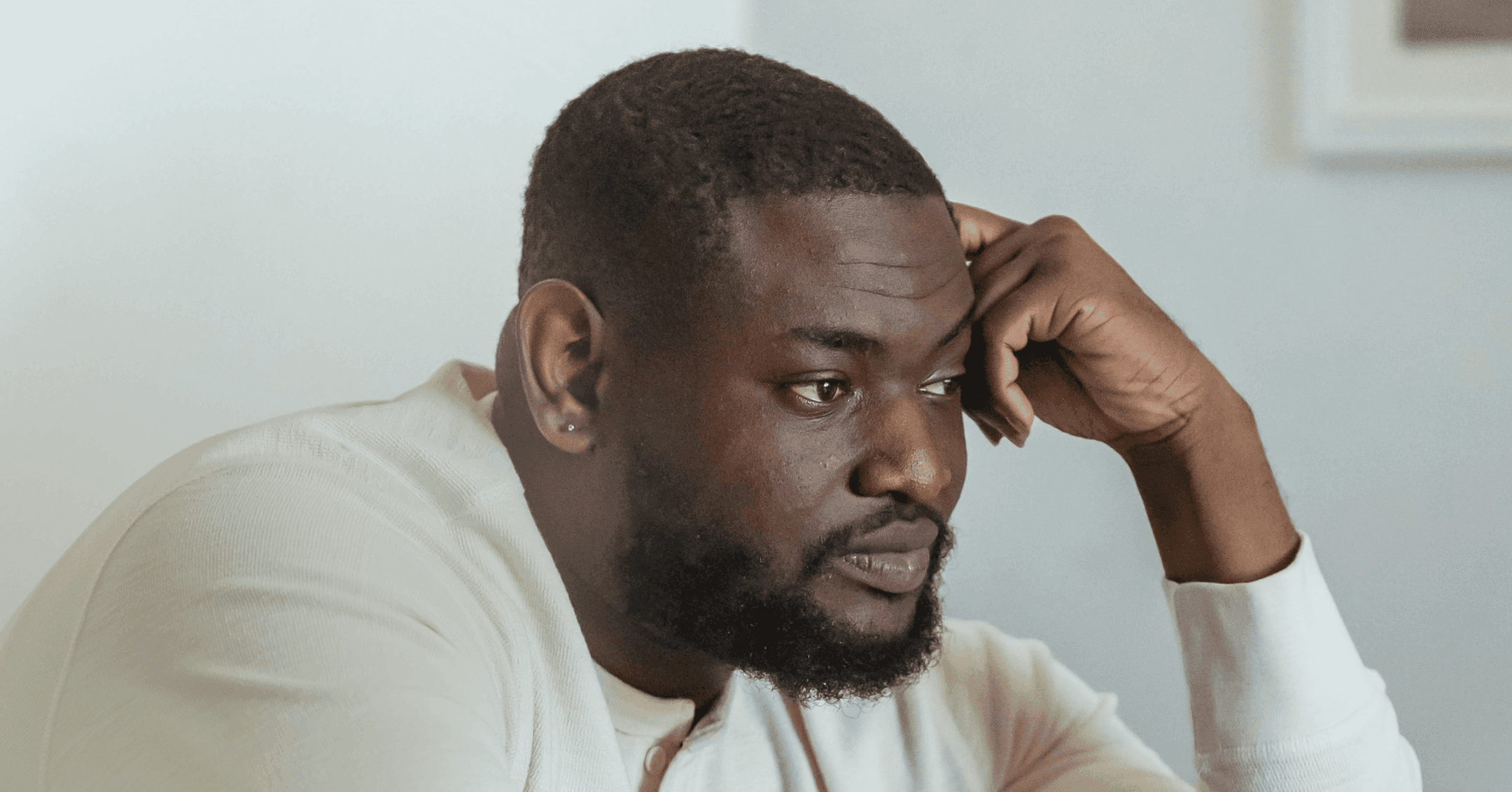
Even though exercise often supports mental health, athletes can experience depression due to pressures like performance demands, injuries, and linking their identity to sports.
Depression in athletes is often overlooked or hidden due to stigma, which can delay treatment and worsen symptoms over time.
With the right treatment and support, athletes can get support for depression.
Being an athlete can be deeply rewarding. Many athletes thrive under pressure and enjoy the challenges that come with playing sports or being on a team.
At the same time, when you’re expected to constantly perform in your sport, it can take a toll on your mental health. “Sports depression” isn’t an officially recognized or diagnosable type of depression. But many use the label to describe what happens when athletes experience symptoms of depression as a direct or indirect result of playing sports.
Depression is often painful, but it’s also treatable. Needing support isn’t a sign of weakness. With specialized treatment, you can reduce depression symptoms and rebuild your sense of identity both inside and outside of sports.
What’s the link between depression and sports?
The link between depression and sports is complex, and athleticism can often be a double-edged sword.
On one hand, exercise has been clearly established as a protective factor against depression (and other mental health concerns). Some research [1] has found that participating in sports leads to better overall mental health. Other studies [2] have found that playing sports makes you more psychologically resilient.
Despite this fact, athletes — especially professional or college-level athletes — have higher rates of depression than you might expect. Up to 34% [3] of athletes at the collegiate or professional level may be at high risk for depression. Another review found that up to 45% [4] of male athletes live with depression.
These often include:
Psychological pressure: Elite athletes often face intense pressure to compete and win. You’re representing your school or, in some cases, even your country. This pressure can lead to extreme stress and depression.
Injury: Playing certain sports — particularly contact sports like football, boxing, and hockey — put you at a higher risk for injury, including brain injury (like concussions). Research [5] has repeatedly shown that these types of injuries are highly linked to depression.
Social stigma: Athletes tend not to seek out mental health support [6] when they need it. This could be related to being seen by society as a tough, invincible superhero. The stigma against seeking help could also come from your teammates or other athletes.
Stress on the brain: Some researchers [7] say that the training required to be an elite athlete puts intense stress on the body. Your body naturally works to maintain internal balance, and over time, this ongoing stress can affect your brain in ways that potentially lead to depression.
Furthermore, former or retired athletes tend to have much higher rates of depression than current athletes. One review [8] found that former elite athletes experience depression at nearly twice the rate of the general population. Former American football players were at the highest risk.
The relationship between depression and sports also goes both ways [9]. Experiencing depression can also negatively affect your athletic life. It can lead to more injuries, higher burnout, and lower sports performance. So, if you think you might be experiencing depression, don’t hesitate to reach out for help.
Find your match
Take the first step toward better mental health.
Signs and symptoms of depression in athletes
Depression might be harder to spot in athletes. That’s because athletes might try harder to hide their depression or feel like they can’t talk about their true feelings. Depression can also be confused with symptoms of other injuries, like concussions.
Watch out for these signs of depression in yourself or in an athlete you care about:
Sleep changes: Many athletes [10] experience difficulty sleeping, which can be a sign of depression. You might also find yourself needing more sleep than usual.
Disconnection or numbness: Depression can look a lot like burnout. Maybe you’re no longer interested in the things that you used to enjoy — even playing sports.
Irritability: Depression can show up as an irritable mood, especially in young people. You might find yourself lashing out at your teammates or other loved ones, or withdrawing from social support.
Lack of focus: You might make more careless mistakes than you usually do, including in your sport. Depression can make it hard to concentrate or make quick decisions.
Negative beliefs: You may start to have negative thoughts about yourself, related to your athletic performance or not. For example, you might have thoughts like, “I’ll never be good enough,” or, “All I’m good for is football. I don’t have any other skills.”
Hopelessness: When you think about the future, you may feel hopeless. You might worry about how empty life will feel after you retire from sports.
Fatigue: You might not have the same energy you once did. Even if you’re sleeping well, you feel tired all the time. This could start affecting your sports performance.
Thoughts about escape or death: Even if you’re not actively suicidal*, you might have passive thoughts about dying to escape the pressures of your life. You might think something like, “If I didn’t wake up tomorrow, I wouldn’t have to play in the game.”
*A note on safety: The 988 Suicide and Crisis Lifeline provides 24/7, confidential support with trained crisis counselors. If you or a loved one is in emotional distress or a suicidal crisis, please call or text 988. If experiencing a life-threatening emergency or you need immediate help, please call 911.
How to manage depression as an athlete
Managing depression as an athlete often requires addressing your mental health and the unique demands that come with sports. Getting support for depression can help you process your feelings about sports, develop a healthier relationship to performance, and soften negative thought patterns.
Stigma can be a very real barrier for athletes. But getting help doesn’t mean you’re weak or that something is “wrong” with you. Depression is a health condition that deserves to be taken seriously. If you’re experiencing signs of depression, don’t hesitate to talk to someone you trust like your coach, a friend, or loved one.
Depression is treatable with professional support. You can also take some steps on your own:
Address physical injuries
Physical injuries can directly and indirectly worsen depression. Many athletes have experienced multiple concussions or even traumatic brain injury, which can put you at a higher risk of depression [11]. So if you’ve gone through this, make it a priority to treat these types of physical injuries first.
Enjoy exercising
Athletes can develop depression — and overexercising or pushing your body too hard can have a negative effect on your mental health. But it’s still true that exercise can be a powerful way to support your physical and mental well-being.
It’s about enjoying exercise again, gently separating movement from high expectations or your identity. For example, instead of spending hours at the gym training, you might take a dance class or go on a hike with your dog.
Build a social support network
Social support is a proven antidote to depression. Make sure you’re staying connected with loved ones. It might be helpful to have friends outside of your sport. This kind of social support can help you feel more grounded and remind you that your worth isn’t limited to your performance or achievements as an athlete.
The care you need, when you need it
Learn how Rula can support your mental health journey
Getting professional help with sports depression
Treatment for depression usually includes therapy, medication, or a combination of both.
A therapist can teach you skills that you can use to manage depression symptoms. If you feel comfortable, they can talk with you about the root cause of your depression and how you might go about addressing it. They can also help you address any other mental health concerns you might be experiencing, like anxiety or eating disorders.
If you’re a collegiate athlete, your campus counseling center is usually a good place to get connected with treatment. Your coach or trainer may also be able to refer you to a provider. You can also find therapists and psychiatrists online or through your primary care physician.
Some of the most effective therapy types for depression include:
Some athletes also find that medication helps them feel better. It’s important to work with a provider to determine the right approach for you.
A note on privacy
Regardless of what provider you choose to work with, your privacy is protected. You don’t need to worry about your coach or teammates finding out about what you talk about in sessions. Mental health professionals are legally bound to confidentiality, which means they can’t share what you talk about with anyone (unless you’re a danger to yourself or others).
A sign of depression that often gets missed is emotional numbness. This is often misread as toughness, discipline, or routine burnout. Recognizing this early allows support before performance or well-being declines.

Ashley Ayala, LMFT
Clinical reviewer
Find care with Rula
Depression in athletes is real and common. And it’s not a sign that you’re weak or something’s “wrong” with you. The pressures of competition, injuries, stigma, and identity tied to sports can all be significant risk factors for athletes. You don’t need to navigate depression alone — and professional support can help you get back to feeling like yourself again.
At Rula, we’re here to help you feel better. Rula makes it easy to find a licensed therapist or psychiatric provider who takes your insurance. That way, you don’t have to choose between great care and a price you can afford.
Rula patients pay about $15 per session with insurance, and 93% say they feel better after getting care through Rula. We have 21,000+ providers, and appointments are available as soon as tomorrow. We’re here to help you take the next step — wherever you are in your mental health journey.
References
- The impact of sports participation on mental health and social outcomes in adults: a systematic review and the ‘Mental Health through Sport’ conceptual model https://link.springer.com/article/10.1186/s13643-023-02264-8
- Psychological Hardiness and Depressive Symptoms among athlete students versus non-athletes: Comparative Study https://ejhc.journals.ekb.eg/article_195072.html
- The prevalence of depressive symptoms in high-performance athletes: a systematic review https://www.tandfonline.com/doi/full/10.1080/00913847.2020.1713708
- Mental health in elite athletes: International Olympic Committee consensus statement (2019) https://stillmed.olympics.com/media/Documents/Athletes/Medical-Scientific/Consensus-Statements/2019_Mental-health-in-elite-athletes.pdf
- Predictors and Prevalence of Postconcussion Depression Symptoms in Collegiate Athletes https://pmc.ncbi.nlm.nih.gov/articles/PMC4477919/
- The Mental Health of Elite Athletes: A Narrative Systematic Review https://pmc.ncbi.nlm.nih.gov/articles/PMC4996886/
- The Athlete’s Paradox: Adaptable Depression https://pmc.ncbi.nlm.nih.gov/articles/PMC9320389/
- Prevalence of anxiety and depression in former elite athletes: a systematic review and meta-analysis https://pmc.ncbi.nlm.nih.gov/articles/PMC11667483/
- The Mental Health Crisis in Sports: The Perfect Storm of Contemporary Factors https://pmc.ncbi.nlm.nih.gov/articles/PMC11215734/
- From pillow to podium: a review on understanding sleep for elite athletes https://pmc.ncbi.nlm.nih.gov/articles/PMC6112797/
- Long-Term Effects of Brain Injury https://biausa.org/public-affairs/media/long-term-effects-of-brain-injury?utm_source=google&utm_medium=cpc&gad_source=1&gad_campaignid=22691769322&gbraid=0AAAAADE3WWPMAeOLs7YBXYyhFRm3u1u1V&gclid=Cj0KCQiAvOjKBhC9ARIsAFvz5lg-sYVah_Bgpn-YBn7O3kjRBIsuHV0l9tuRABkOgP0OxNA8JNp5tFEaAkSnEALw_wcB

Saya Des Marais
Saya graduated with her Master in Social Work (MSW) with a concentration in mental health from the University of Southern California in 2010. She formerly worked as a therapist and motivational interviewing trainer in community clinics, public schools, mental health startups, and more.
Her writing has been featured in FORTUNE, GoodRX, PsychCentral, and dozens of mental health apps and therapy websites. Through both her clinical work and her personal OCD diagnosis, she’s learned the importance of making empathetic and accurate mental health content available online.
She lives in Portland, Oregon but you can find her almost just as often in Mexico or in her birthplace, Tokyo.

Ashley Ayala, LMFT
Ashley is a Licensed Marriage and Family Therapist who specializes in generational healing and family dynamics. Ashley has worked in schools, clinics, and in private practice. She believes that people’s relationships, including our relationship with ourselves, greatly shape our experiences in life.
Ashley is committed to empowering others to show up authentically and deepen their self understanding. This passion stems from taking a critical lens on her own life story and doing inner healing. One of her favorite quotes is “Be yourself and the right people will love the real you.”
Rula’s editorial process
Rula’s editorial team is on a mission to make science-backed mental health insights accessible and practical for every person seeking to better understand or improve mental wellness.
Members of Rula’s clinical leadership team and other expert providers contribute to all published content, offering guidance on themes and insights based on their firsthand experience in the field. Every piece of content is thoroughly reviewed by a clinician before publishing.