
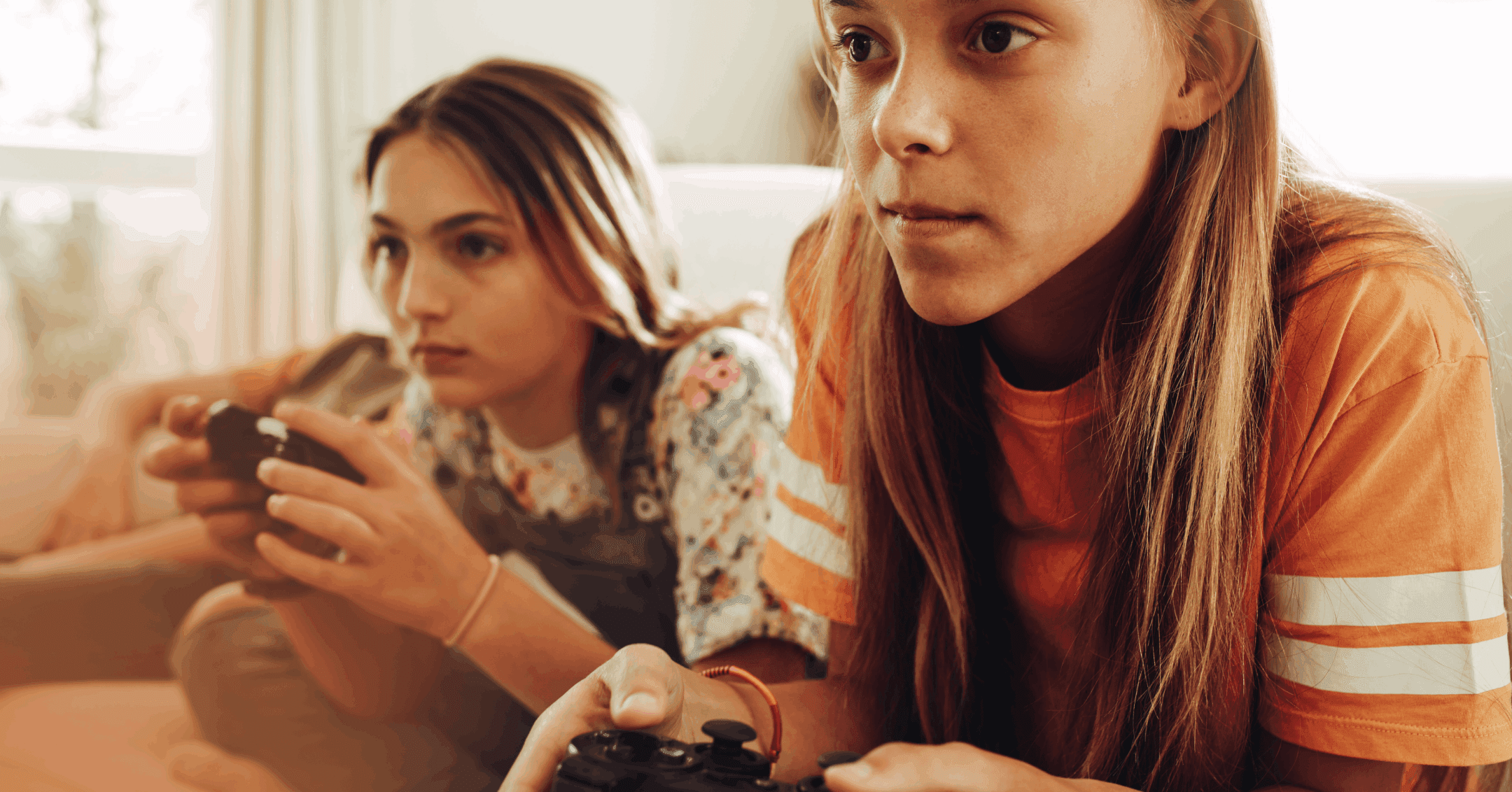
Gaming doesn’t cause depression. But when it’s excessive, or if you have a preexisting condition, it may increase your risk.
Some people feel better after gaming because it’s been shown to improve cognitive and executive functioning skills. This may provide a temporary mood boost.
You get to decide what healthy gaming looks like for you. But if you’re experiencing challenges with gaming and depression, working with a therapist and/or psychiatrist can help.
Video games have been part of the cultural conversation about mental health for a long time. Today, almost half of Americans [1] play video games. And there’s an ongoing debate [2] about the relationship between gaming and well-being — especially for young people.
Playing video games isn’t a stand-alone cause of depression. But it may contribute to or worsen depressive symptoms [3] in some cases. At the same time, there’s evidence [4] that gaming can have some mental health, learning, and social benefits. Learning more about this complex relationship can help you develop healthy gaming habits and know when to reach out for help.
How can video games contribute to depression?
If you play video games, it doesn’t mean that you’ll develop depression. But experts who study gaming and mental health have uncovered a few factors that may help explain why you might experience symptoms of depression after playing video games:
Preexisting conditions: Research shows that for many people, gaming-related depression is the result of a preexisting condition [5]. In other words, it’s likely that they already live with depression or other core characteristics that resulted in them using gaming as an unhealthy coping mechanism.
Excessive use: Occasionally playing video games to unwind or have fun isn’t necessarily cause for concern. But according to a 2014 study [3], young people who played high-violence video games for over two hours per day were at significantly greater risk of developing depression.
Personality traits: Several studies [6] have confirmed that excessive video game use is connected with personality traits like low self-esteem, low self-efficacy (the belief that a task is more difficult for you than it actually is), anxiety, and aggression. People with these traits might be more likely to develop an unhealthy relationship with gaming that leads to depression (rather than the other way around).
Internet gaming disorder (IGD): IGD isn’t an official clinical diagnosis [2]. It’s classified as a behavioral addiction that mental health professionals are still working to understand. That said, preliminary data suggest that IGD and depression frequently co-occur [7]. This means that if you experience difficulty with problematic gaming, you might be more vulnerable to depression (and vice versa).
Find your match
Take the first step toward better mental health.
Signs of depression brought on by gaming habits
Depression can show up differently for each person. But some of the telltale signs of depression [2] related to video game use include:
You’ve lost touch with friends and spend more time alone because of gaming.
You spend so many hours a day gaming that it’s disrupted your eating, sleeping, or hygiene habits.
You experience withdrawal symptoms if you can’t game (like anxiety or irritability).
You’re no longer interested in hobbies or activities you used to enjoy, preferring to game instead.
You get defensive if anyone questions your gaming and/or you’re dishonest with others about how much time you spend gaming.
You rely on gaming to distract you or escape from uncomfortable emotions.
You’ve had problems at school or work because of your gaming.
Can video games really help with depression?
Although there’s discussion around excessive gaming and mental health, you might be surprised to learn that video games can be used to lessen depression [8] in some cases. Research shows that:
Playing a fast-paced action game may help interrupt the negative thought cycles that often come along with depression.
Video game players reported improved subjective cognitive performance (like they felt clearer-headed).
Successfully navigating a complex video game may provide a boost to your self-esteem.
People who play video games scored better on executive functioning tests, which evaluate skills like problem-solving, planning, and organizing. Increasing executive function may increase confidence and improve your mood.
Research [9] has also shown that playing certain games like Tetris can help reduce symptoms of post-traumatic stress disorder (PTSD). When used in conjunction with therapy, Tetris can help with cognitive gains so that what was learned in treatment is continued once therapy has ended.
The care you need, when you need it
Learn how Rula can support your mental health journey
How to strike a healthy balance in video game use
If you want to develop healthy, balanced gaming habits, the following tips can help.
Before attempting to make a change in your gaming habits, establish a baseline with mindfulness. Noticing how much time you’re spending gaming in a given week (without judging yourself) can help you decide whether you want to make a change. It may also help to pay more attention to when gaming might be getting in the way of home, school, or work obligations or impacting your relationships.
Once you have a clearer picture of your current gaming habits, try to set some goals. You get to decide what healthy gaming looks like to you. But if you want to cut back, start with some gradual limits. Instead of trying to quit gaming entirely, try setting a timer to remind yourself to take breaks, get up and move around, or switch to a new task.
If gaming has been your go-to to distract yourself from depressive symptoms, it’s important to find some replacement coping strategies. It may take some trial and error to figure this part out. But think about other healthy activities that you enjoy (or used to enjoy) that you could do as an alternative to gaming. For example, this might mean going for a walk, spending time with pets, or texting a loved one.
If gaming and depression are affecting your ability to function, know that you’re not alone, and help is available. Depression is a manageable condition, and with support from a therapist and/or psychiatrist, you can learn to manage your mood and develop healthier gaming habits.
If you’re concerned about your child’s gaming, look beyond screen time and focus on overall well-being. When parents stay curious about what gaming provides — like comfort, community, or a way to unwind — they create space for more open conversations and opportunities to help create a balanced supportive routine.

Ashley Ayala, LMFT
Clinical reviewer
Find care with Rula
Depression and video games have a complex relationship. On the one hand, excessive video game use is positively associated with depression. So, while gaming isn’t a stand-alone cause of depression, excessive video game use may increase your risk. It may also reveal preexisting depression or other psychiatric concerns.
At the same time, in some situations, video games can improve mental health and strengthen cognitive skills. That said, if you think you might have depression and gaming is interfering with your well-being, don’t hesitate to ask for help. With therapy, self-care, and medication (if needed), you can address both areas and improve your quality of life.
At Rula, we’re here to help you feel better. Rula makes it easy to find a licensed therapist or psychiatric provider who takes your insurance. That way, you don’t have to choose between great care and a price you can afford.
Rula patients pay about $15 per session with insurance, and 93% say they feel better after getting care through Rula. We have 21,000+ providers, and appointments are available as soon as tomorrow. We’re here to help you take the next step — wherever you are in your mental health journey.
References
- 5 facts about Americans and video games https://www.pewresearch.org/short-reads/2018/09/17/5-facts-about-americans-and-video-games/
- Internet Gaming https://www.psychiatry.org/patients-families/internet-gaming
- Daily Violent Video Game Playing and Depression in Preadolescent Youth https://pmc.ncbi.nlm.nih.gov/articles/PMC4227415/
- Video game play may provide learning, health, social benefits, review finds https://www.apa.org/monitor/2014/02/video-game
- Psychopathology and Gaming Disorder in Adolescents https://jamanetwork.com/journals/jamanetworkopen/fullarticle/2836903
- The Association Between Video Gaming and Psychological Functioning https://pmc.ncbi.nlm.nih.gov/articles/PMC6676913/
- Relationships between Behavioural Addictions and Psychiatric Disorders: What Is Known and What Is Yet to Be Learned? https://pmc.ncbi.nlm.nih.gov/articles/PMC5383701/
- Fighting Depression: Action Video Game Play May Reduce Rumination and Increase Subjective and Objective Cognition in Depressed Patients https://pmc.ncbi.nlm.nih.gov/articles/PMC5816361/
- Trauma, treatment and Tetris: video gaming increases hippocampal volume in male patients with combat-related posttraumatic stress disorder https://pmc.ncbi.nlm.nih.gov/articles/PMC7828932/

Liz Talago
Liz Talago, M.ed. is a mental health professional turned content writer and strategist based in the Detroit metro area. As an independent consultant for mental health organizations, Liz creates meaningful connections between brands and their audiences through strategic storytelling. Liz is known for championing diverse perspectives within the mental health industry and translating bold ideas into inspiring, affirming digital experiences.
In her free time, you can find her hiking with her two German Shepherds, puttering around her dahlia garden, or spending time with her family.

Ashley Ayala, LMFT
Ashley is a Licensed Marriage and Family Therapist who specializes in generational healing and family dynamics. Ashley has worked in schools, clinics, and in private practice. She believes that people’s relationships, including our relationship with ourselves, greatly shape our experiences in life.
Ashley is committed to empowering others to show up authentically and deepen their self understanding. This passion stems from taking a critical lens on her own life story and doing inner healing. One of her favorite quotes is “Be yourself and the right people will love the real you.”
Rula’s editorial process
Rula’s editorial team is on a mission to make science-backed mental health insights accessible and practical for every person seeking to better understand or improve mental wellness.
Members of Rula’s clinical leadership team and other expert providers contribute to all published content, offering guidance on themes and insights based on their firsthand experience in the field. Every piece of content is thoroughly reviewed by a clinician before publishing.