
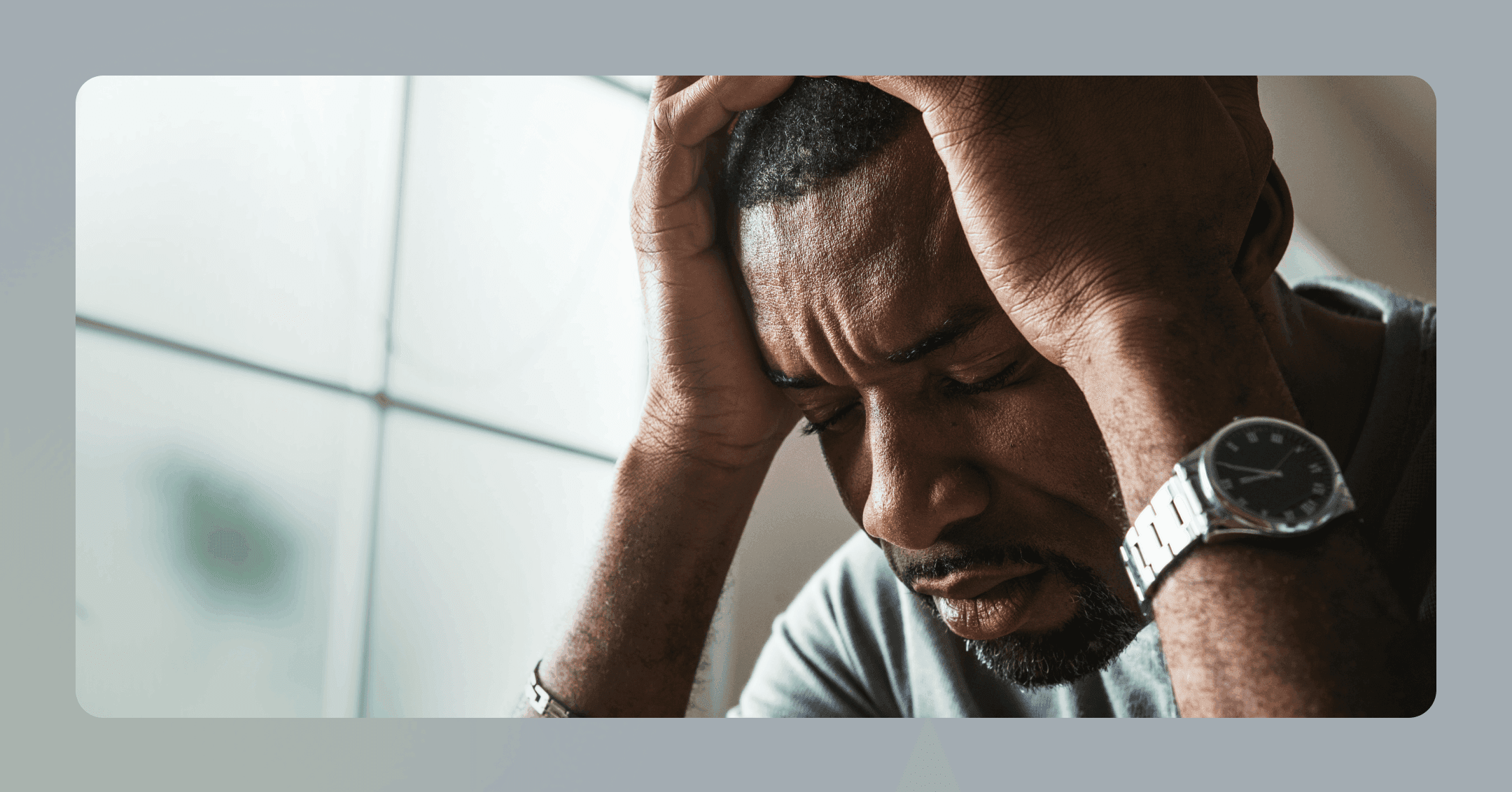
Adjustment disorder can develop when a person experiences a stressor that overwhelms their ability to cope. It can happen after trauma or any major life event.
Like other conditions, adjustment disorder has several different categories. The "depressed mood" type causes sadness, hopelessness, and frequent crying.
Therapy and medication (if needed) can help people manage adjustment disorder.
Adjustment disorder is a short-term mental health condition. It can happen when someone has trouble adjusting to a major life event. This could include anything from a breakup or divorce to relocating to a new area. Keep in mind that both positive and negative changes can trigger stress and lead to adjustment disorder.
Like other mental health concerns, adjustment disorder can present in a few different ways. One way it can show up is adjustment disorder with depressed mood. But they also experience low mood, hopelessness, and frequent crying.
Remember, change can be difficult — even when it's the good kind. So if you're navigating the aftermath of a big change or challenging event, know you’re not alone and that help is available. Learning more about adjustment disorder with depressed mood can help you know when to reach out for support.
Symptoms of adjustment disorder with depressed mood
The symptoms of adjustment disorder with depressed mood can look a lot like major depressive disorder (MDD). However, these aren’t the same conditions. One major difference is that, unlike other conditions, adjustment disorder lasts for a short period of time. So symptoms should subside within six months [1] of the stressor being resolved. If they continue beyond that time frame, a different diagnosis may be more appropriate.
Primary symptoms of adjustment order with depressed mood include:
Feeling sad, depressed, hopeless
Crying all the time
No longer wanting to engage in activities you used to enjoy
Anxiety or nervousness
Trouble concentrating
Impulsive or unsafe behavior
Feeling tired but being unable to sleep
Unexplained aches and pains
Erratic or irregular heartbeat
To be diagnosed with adjustment disorder [2] with depressed mood, a person must have these symptoms within three months of a stressful event. Their symptoms must be severe enough to affect their ability to function at home, work, or school. They must also be more intense than what is usually expected of that type of stressor.
The care you need, when you need it
Learn how Rula can support your mental health journey
MDD vs. adjustment disorder with depressed mood
Depression and adjustment disorder with depressed mood share some features. They can both impact a person’s ability to care for themselves, function in daily life, and maintain relationships. The main difference between them is their timelines.
Depression is a lifelong condition. It may require ongoing support in the form of therapy and medication. But adjustment disorder can resolve in just a few months. If you’re diagnosed with adjustment disorder, but it doesn’t feel like a “short-term issue” to you, it’s OK to seek a second opinion. Remember, both depression and adjustment disorder can be managed with the right support. But that support depends on you receiving an accurate diagnosis.
Causes of adjustment disorder with depressed mood
Experts don’t yet fully understand what causes adjustment disorder with depressed mood. Two people can experience the exact same stressor but respond in different ways. In addition, even positive changes can increase stress temporarily. So, you don’t have to experience trauma to develop adjustment disorder. It can happen whenever you’re faced with a major change that overwhelms your ability to cope.
Adjustment disorder risk is linked to personality, life experiences, biology, family history, and pre-existing mental health concerns.
If you have underlying risk factors [3], any of the following could trigger adjustment disorder:
Moving to a new location
Becoming a parent
Getting diagnosed with a serious health problem
Having trouble performing at work or school
Experiencing financial struggles
Getting married
Getting divorced or going through a breakup
Surviving a natural disaster
Treatment options for adjustment disorder with depressed mood
Therapy is a frontline treatment for adjustment disorder. Since the condition is time-limited, brief, solution-focused approaches [4] are typically most helpful. These can help people strengthen coping skills and improve emotional regulation. The goal of therapy for adjustment disorder is to help people manage stress more effectively.
For people with adjustment disorder with depressed mood, brief interpersonal therapy [4] can be helpful. This form of therapy can help people:
Explore the role they might be playing in maintaining their stress
Maintain a present focus so they don't fixate on the past
Strengthen relationships to improve their support network
Interrupt unhelpful thought and behavior patterns
In some cases, medication is used alongside therapy to help a person manage adjustment disorder.
Medications [4] used to treat conditions like anxiety or depression may help people manage adjustment disorder. If interested, you can talk to your doctor or psychiatric care provider about this option. They can walk you through the best options for your needs, discuss potential side effects, and help you understand how long it might take for your medication to start working.
In my experience, adjustment disorder being a time-limited condition can give clients a sense of relief and hope. They begin to see their symptoms as a response to a specific stressor, not a permanent problem. This often helps them stay focused on building coping skills and moving forward.

Brandy Chalmers, LPC
Clinical reviewer
Find care with Rula
Even when it's a good thing, change isn't always easy. Having a hard time getting used to a "new normal" doesn't mean that you have a mental health condition. But for some people, major life events can trigger adjustment disorder with depressed mood. This condition, while temporary, can impact daily functioning, relationships, and more.
If you’re experiencing depressive symptoms after a big change, don’t hesitate to reach out for support. Therapy can help you balance your mood, interrupt unhelpful patterns, and strengthen your support system.
At Rula, we’re here to help you feel better. Rula makes it easy to find a licensed therapist or psychiatric provider who takes your insurance. That way, you don’t have to choose between great care and a price you can afford.
Rula patients pay about $15 per session with insurance, and 93% say they feel better after getting care through Rula. We have 21,000+ providers, and appointments are available as soon as tomorrow. We’re here to help you take the next step — wherever you are in your mental health journey.
References
- Adjustment Disorder: Current Developments and Future Directions https://pmc.ncbi.nlm.nih.gov/articles/PMC6678970/
- Table 3.19DSM-IV to DSM-5 Adjustment Disorders Comparison https://www.ncbi.nlm.nih.gov/books/NBK519704/table/ch3.t19/
- Adjustment Disorders https://my.clevelandclinic.org/health/diseases/21760-adjustment-disorder
- Adjustment Disorder: epidemiology, diagnosis and treatment https://pmc.ncbi.nlm.nih.gov/articles/PMC2710332/

Liz Talago
Liz Talago, M.ed. is a mental health professional turned content writer and strategist based in the Detroit metro area. As an independent consultant for mental health organizations, Liz creates meaningful connections between brands and their audiences through strategic storytelling. Liz is known for championing diverse perspectives within the mental health industry and translating bold ideas into inspiring, affirming digital experiences.
In her free time, you can find her hiking with her two German Shepherds, puttering around her dahlia garden, or spending time with her family.

Brandy Chalmers, LPC
Having faced challenges like childhood abuse, neglect, and the loss of her father to suicide, Brandy Chalmers is deeply passionate about providing compassionate care. She is a Licensed Professional Counselor, Nationally Certified Counselor, and Registered Play Therapist with a Master’s Degree in Clinical Counseling and Marriage and Family Therapy.
Brandy also teaches at a university, sharing her expertise with future mental health professionals. With over a decade of experience in settings like inpatient care and private practice, she specializes in helping clients with perfectionism, trauma, personality disorders, eating disorders, and life changes.
Rula’s editorial process
Rula’s editorial team is on a mission to make science-backed mental health insights accessible and practical for every person seeking to better understand or improve mental wellness.
Members of Rula’s clinical leadership team and other expert providers contribute to all published content, offering guidance on themes and insights based on their firsthand experience in the field. Every piece of content is thoroughly reviewed by a clinician before publishing.