
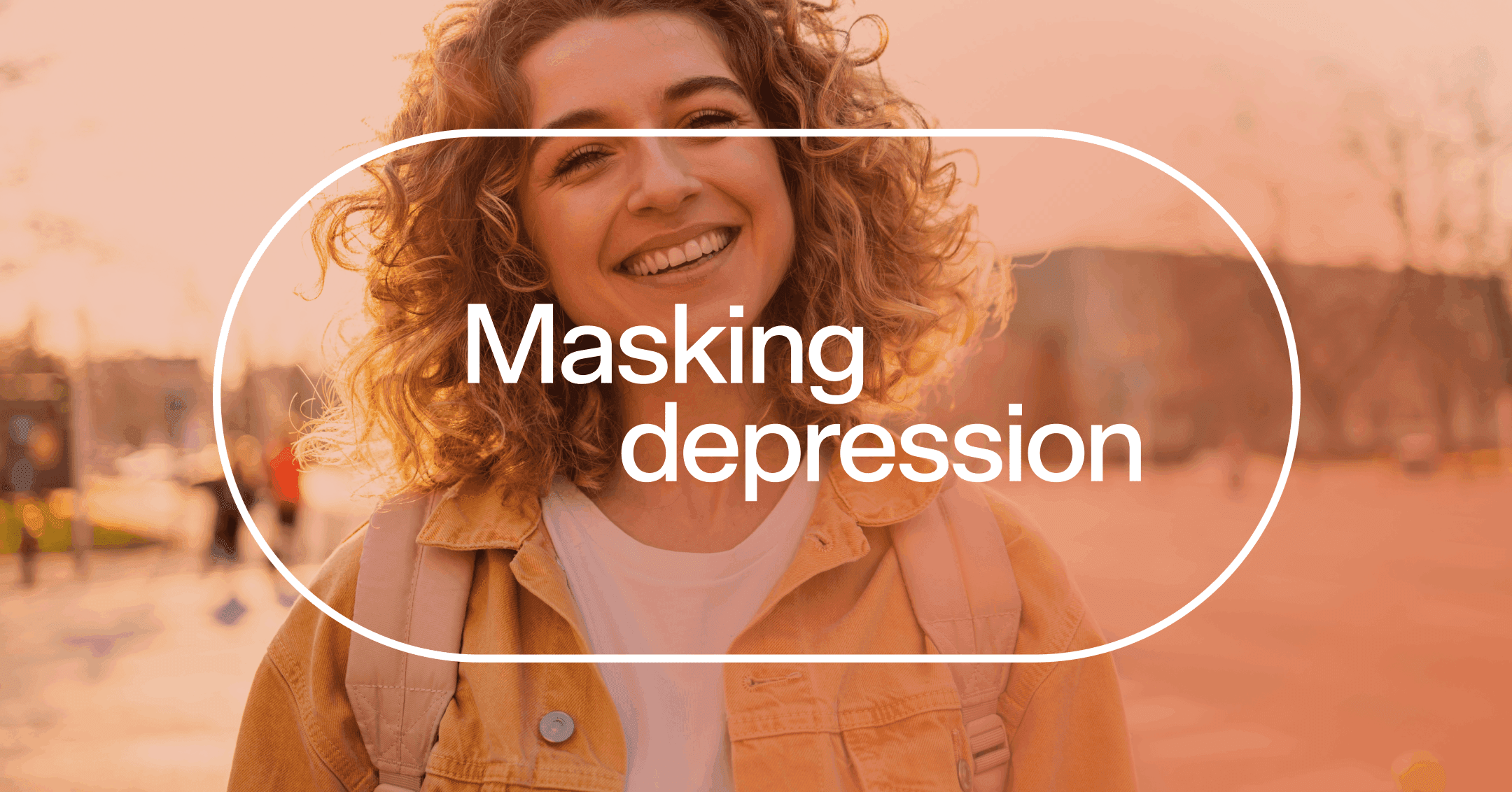
Masked depression may be difficult for others to detect. People with this form of depression are often high-functioning and skilled at concealing its symptoms.
Otherwise known as masked, hidden, or smiling depression, masked depression can be mistaken for a physical ailment. Misdiagnosis delays care and may cause symptoms to worsen.
Masked depression is often manageable through a combination of self-care, therapy, and medication.
Some signs of depression are easier to spot than others. For example, a person may seem unusually tired, irritable, or unmotivated. They might sleep more than usual, stop hanging out with friends, or face challenges with self-care. But other symptoms of depression may be harder to detect.
People can have an atypical form of depression known as masked depression or high-functioning depression. With this type of depression, a person might seem like they’re doing fine. To others, they may appear happy, successful, and driven. This is because people with masked depression are often very skilled at concealing their symptoms. Their difficulties might be undetectable to others — even when they’re experiencing challenges on the inside. Learning more about this form of depression can help you recognize it in yourself and others and know when to reach out for help.
Subtle signs of masked depression
The signs of masked depression might be undetectable to outside observers. But that doesn’t mean it’s any less difficult to live with. In addition to typical depressive symptoms like sleep disturbances and forgetfulness, people who mask their depression may be more vulnerable [1] to:
Chronic pain, gastrointestinal problems, and other physical complaints
For example: You’ve been dealing with ongoing stomach pain and muscle tension. It’s only when you begin talking with a therapist that you realize how much emotional strain you’ve been carrying, and how it may be affecting your body.
Difficulty with focus and concentration
For example: Lately, you can’t seem to finish a task without getting sidetracked. Your long to-do list is stressing you out, and it’s becoming harder to concentrate at work. Despite being considered a “top performer,” your masked depression is impacting your ability to focus.
Sexual dysfunction, including loss of libido
For example: You and your wife have a great relationship. Like most couples, you’ve had your ups and downs, but you’ve always maintained a strong connection. However, over the past few months, you’ve lost interest in intimacy, and you’re not sure why. You learn that it’s depression, not a relationship issue, that’s affecting your libido.
Find your match
Take the first step toward better mental health.
Why people smile through depression
There are many reasons why someone may smile through their depression. But some of the most common include:
Stigma: People might believe they’ll be judged or appear weak if they acknowledge how they’re really feeling.
Caregiving: They might feel that they can’t slow down or prioritize their well-being because others are counting on them.
Culture: Someone might be part of a culture that doesn’t acknowledge the impact or existence of mental health concerns like depression.
Awareness: They might not be aware that they’re experiencing depression because they’re still functioning, often at a high level.
The problem with hidden depression
One of the biggest consequences of masking or smiling depression is that it prevents people from getting the help they need. Acknowledging your challenges is one of the most important (and difficult) parts of healing. But when depression is hidden or concealed, a person may continue to face challenges in silence.
In the case of masked depression, symptoms might not surface in the usual way. Unfortunately, this means that it often goes undiagnosed and may be mistaken for a physical ailment [2], leading to:
Serious physical and psychological consequences
Reduced professional and social functioning
Higher cost of diagnosis and treatment
Increased risk of suicide*
*If you or a loved one is experiencing suicidal thoughts or thoughts about harming themself or others, please call or text 988 on any phone for the Suicide & Crisis lifeline, contact a local crisis line, or head to the emergency room immediately. Any of these resources will ensure that the person in crisis receives support right away. For more information on getting help, go to 988lifeline.org
If experiencing a life-threatening emergency or you need immediate help, please call 911.
The care you need, when you need it
Learn how Rula can support your mental health journey
How to stop masking depression
No matter what form of depression you’re living with, know that you’re not alone and help is available. There are therapists and psychiatrists who can help you understand your masked depression and provide a safe space to process your experiences.Your healthcare providers can recommend evidence-based therapies [3] for depression along with medication, if needed. With their support, you can learn to authentically express your emotions so that you no longer feel pressured to “smile through the pain.”
In addition to seeking professional help, there are strategies you can use to manage masked depression. You may need to go through some trial and error to find what works for you. But here are a few ideas [4] to get you started:
Challenge your perfectionist tendencies. Some people who experience masked depression may feel like they can’t make mistakes or appear weak or out of control. If that rings true for you, consider where those messages are coming from. Try to cultivate a little compassion for yourself and remember that no one is perfect.
Lean on your support network. If you live with masked depression, you might be tempted to withdraw from friends and loved ones. You may worry about what others will think if they learn how much you’re having difficulties. However, isolation can make depression worse [5]. So try to spend time with people you trust, and talk to them about how you’re doing.
Practice mindfulness. Mindfulness is about slowing down to notice, without judgment, what’s happening in your mind, body, and environment. You can practice mindfulness by finding activities that bring you joy and being fully present while you’re doing them. This experience can provide a powerful mindset shift and help remind you that you’re worthy, capable, and lovable.
A common sign of masked depression is irritability or getting frustrated very easily. Many people don’t realize that anger and short tempers can be depression in disguise — not just a bad mood. Professional support can help you work through these feelings.

Brandy Chalmers, LPC
Clinical reviewer
Find care with Rula
Masked depression is a form of depression in which someone conceals or hides their symptoms. Deep down, they might be dealing with low mood, fatigue, hopelessness, sleep problems, and other classic depressive symptoms. But to outsiders, it might seem like nothing is wrong. People with masked depression tend to “smile through the pain” due to stigma, perfectionism, and other pressures.
Masked depression can make it difficult to reach out and ask for help. Fortunately, it’s typically manageable with the right support.
At Rula, we’re here to help you feel better. Rula makes it easy to find a licensed therapist or psychiatric provider who takes your insurance. That way, you don’t have to choose between great care and a price you can afford.
Rula patients pay about $15 per session with insurance, and 93% say they feel better after getting care through Rula. We have 21,000+ providers, and appointments are available as soon as tomorrow. We’re here to help you take the next step — wherever you are in your mental health journey.
References
- Understanding masked depression: A Clinical scenario https://pmc.ncbi.nlm.nih.gov/articles/PMC5914271/
- [Masked depression--history and present days] https://pubmed.ncbi.nlm.nih.gov/18051836/
- Depression Treatments for Adults https://www.apa.org/depression-guideline/adults
- What You Need to Know About “Smiling Depression” https://www.nami.org/advocate/what-you-need-to-know-about-smiling-depression/#:~:text=If%20you%20think%20you%20might,don%27t%20let%20depression%20win.
- The risks of social isolation https://www.apa.org/monitor/2019/05/ce-corner-isolation

Liz Talago
Liz Talago, M.ed. is a mental health professional turned content writer and strategist based in the Detroit metro area. As an independent consultant for mental health organizations, Liz creates meaningful connections between brands and their audiences through strategic storytelling. Liz is known for championing diverse perspectives within the mental health industry and translating bold ideas into inspiring, affirming digital experiences.
In her free time, you can find her hiking with her two German Shepherds, puttering around her dahlia garden, or spending time with her family.

Brandy Chalmers, LPC
Having faced challenges like childhood abuse, neglect, and the loss of her father to suicide, Brandy Chalmers is deeply passionate about providing compassionate care. She is a Licensed Professional Counselor, Nationally Certified Counselor, and Registered Play Therapist with a Master’s Degree in Clinical Counseling and Marriage and Family Therapy.
Brandy also teaches at a university, sharing her expertise with future mental health professionals. With over a decade of experience in settings like inpatient care and private practice, she specializes in helping clients with perfectionism, trauma, personality disorders, eating disorders, and life changes.
Rula’s editorial process
Rula’s editorial team is on a mission to make science-backed mental health insights accessible and practical for every person seeking to better understand or improve mental wellness.
Members of Rula’s clinical leadership team and other expert providers contribute to all published content, offering guidance on themes and insights based on their firsthand experience in the field. Every piece of content is thoroughly reviewed by a clinician before publishing.