Find a therapist who specializes in bipolar

"My therapist has been a rock for me during quite literally the most difficult time of my entire life. She has kept me balanced and focused, while still making me feel heard and comforted.”
Rula patient
Bipolar therapists in your state
Browse licensed therapists in your state

How to find the right bipolar therapist with Rula

Tell us about your needs
Answer a few questions about your bipolar symptoms and preferences

Get matched with a therapist
We'll match you with a licensed therapist experienced in bipolar
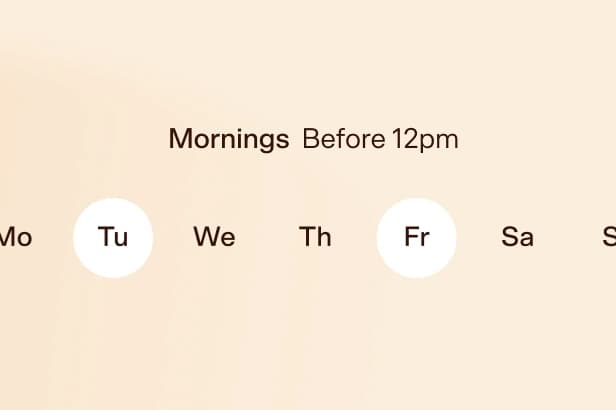
Book your first session
Appointments available as soon as tomorrow
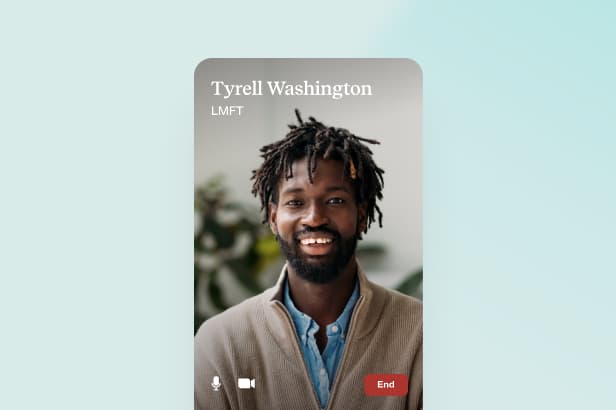
Start your treatment
Begin evidence-based bipolar therapy online or in-person
Ready to start your journey to mental well-being?
Join the 94% of Rula patients who found a provider they feel comfortable with—and the 93% who report feeling better about their symptoms. Find a bipolar therapist in just 3 minutes.
Personalized care. Proven results.
With Rula, you’re not just finding care – you’re finding the right care for your needs.
21,000+
licensed providers with diverse backgrounds and specialties
180+
clinical specialties and modalities offered
98%
find a provider that meets their unique preferences
93%
report feeling better about their symptoms after receiving care through Rula*

It was easy to find the right therapist for my needs, and I love seeing my therapist each week. I’ve seen a lot of growth in myself
What Rula patients say about bipolar therapy
I was matched with an exceptional therapist that has helped me so much. I really was so terribly sad and lost and having someone that understood and had experience with what I was going through was life changing.
Rula patient
Individual therapy
Before this, I had no prior experience going to therapy and Rula just made it really easy for me to start sessions.
Rula patient
Individual therapy

FAQs: Bipolar therapy with Rula
Yes. Rula is in-network with 180+ plans, and many insured patients pay between $0 and $25 per session for outpatient therapy. Coverage specifics depend on your plan.
Most insured Rula patients pay a low copay — around $15 on average per session. You'll see your exact cost before you book.
Rula is focused on in-network care. If you're uninsured, our team can walk you through self-pay options at sign-up.
Rula accepts 180+ plans, including Blue Cross Blue Shield, Aetna, Cigna, UnitedHealthcare, Humana, and many regional carriers. You can confirm coverage at sign-up.
Appointments may be available as soon as tomorrow, and many Rula patients meet with a provider within 5 days.
Rula offers bipolar-focused therapy by video, phone, or in-person where available. Many evidence-based approaches for bipolar disorder work well virtually.
No. Most plans don't require a referral for outpatient therapy through Rula.
For most people, bipolar disorder is treated with a combination of therapy and medication management. Therapy can help with mood tracking, routines, relationships, and managing the impact of mood episodes. Your provider can help you think through what kind of care plan fits your situation.
Licensed therapists trained in approaches like CBT, Interpersonal and Social Rhythm Therapy (IPSRT), or family-focused therapy often work with people navigating bipolar disorder. Rula matches you with in-network providers who list bipolar disorder among their areas of focus.
No. Many people start therapy because of mood swings, sleep changes, or relationship strain before they have a formal diagnosis. Your provider can help figure out what's going on and what may help.
Yes. You can request a different provider anytime. In a recent patient survey, 94% of Rula patients said they found a provider they felt comfortable with.
CBT, Interpersonal and Social Rhythm Therapy (IPSRT), and family-focused therapy are commonly used alongside medication management for bipolar disorder. Your Rula provider can recommend an approach that fits your situation.
People often describe steadier routines, earlier recognition of mood shifts, better relationships, and more stability between episodes. In a recent patient survey, 93% of Rula patients said they felt better overall.